
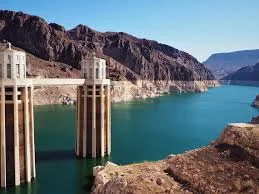
Why in news?
- Hydropower, the king of renewable energy, is facing a challenge from its greatest ally: the climate.
- While it has long been a reliable and cheap source of clean electricity, recent droughts have highlighted its vulnerability to the very environmental shifts it helps combat.
The Backbone of Renewables Under Strain
- For over a century, hydropower’s has been the workhorse of clean energy. From powering homes to industries, it harnesses the power of moving water to generate electricity.
- This dependence, however, creates a critical link to rainfall patterns. The recent plight of Colombia and Ecuador serves as a stark reminder.
- Droughts, fueled by El Nino, have squeezed water levels in hydropower plants, leading to power shortages and forcing energy rationing.
- This isn’t an isolated incident. In 2023, global hydropower output witnessed a historic plunge, with China, the world’s largest producer, experiencing its own drought-induced electricity woes.
A Perfect Storm: Droughts, Demand, and Vulnerability
- Climate change is amplifying the risks for hydropower.
- Increased frequency and severity of droughts threaten water availability, while rising temperatures further exacerbate the problem through higher evaporation rates.
- The problem gets compounded by surging energy demands.
- As people crank up air conditioners to beat the heat, the strain on hydropower intensifies. Countries heavily reliant on hydropower, like those in Africa, are particularly vulnerable.
- Their limited energy diversification and infrastructure leave them with few alternatives when droughts hit.
The Path Forward: A Mix and More
- The solution lies in diversification. Countries need to move towards a more robust energy mix, incorporating solar, wind, and other renewables alongside hydropower.
- Innovations like floating solar panels on reservoir surfaces offer exciting possibilities, maximizing energy generation potential from existing infrastructure.
- The focus should also shift towards building smaller, more manageable hydropower plants. This reduces dependence on any single large dam, minimizing the risks associated with climate-induced disruptions.
Hydropower’s Enduring Value
- Despite the challenges, renewable energy with large-scale generation capabilities remains a crucial player in the fight against climate change.
- The International Energy Agency predicts it will stay the top renewable source until the 2030s, even as wind and solar gain ground.
- This source’s ability to act as a stabilizing force in the grid cannot be understated.
- Unlike some other renewables, it can be quickly switched on and off, functioning like a giant battery to balance fluctuations in renewable energy production.
- Advanced storage solutions where energy is stored during off-peak hours and released during peak demand offer even greater resilience against disruptions caused by weather events.
Investing in a Sustainable Future
- The road to net-zero emissions demands a significant increase in hydropower capacity.
- The International Renewable Energy Agency estimates a doubling of capacity by 2050 is needed to stay on track for ambitious climate goals.
- This translates to substantial investments, roughly $130 billion annually until 2050.
Conclusion
- Hydropower finds itself at a crossroads. While climate change throws curveballs, better water management practices and integration with other renewables can bolster its resilience.
- By acknowledging the challenges and embracing innovative solutions, hydropower can continue to be a vital part of a clean and sustainable energy future.
People also ask
Q1: What is the role of renewable energy sources like solar and wind in a changing climate?
Ans: These renewables are crucial for reducing reliance on fossil fuels and mitigating climate change. They offer clean and reliable electricity generation without greenhouse gas emissions.
Q2: How is climate change affecting clean energy production?
Ans: Droughts, a growing concern due to climate shifts, can impact water-dependent renewable sources like hydropower. However, solar and wind remain unaffected by drought conditions.
Q3: Why are some countries more vulnerable to disruptions in clean energy production?
Ans: Countries heavily reliant on a single renewable source, like hydropower in some cases, are more susceptible to disruptions caused by climate events. A diverse energy mix with solar, wind, and other renewables offers greater resilience.