
NASA’s Chandra Shares a New View of Our Galactic Neighbor – The Andromeda Galaxy
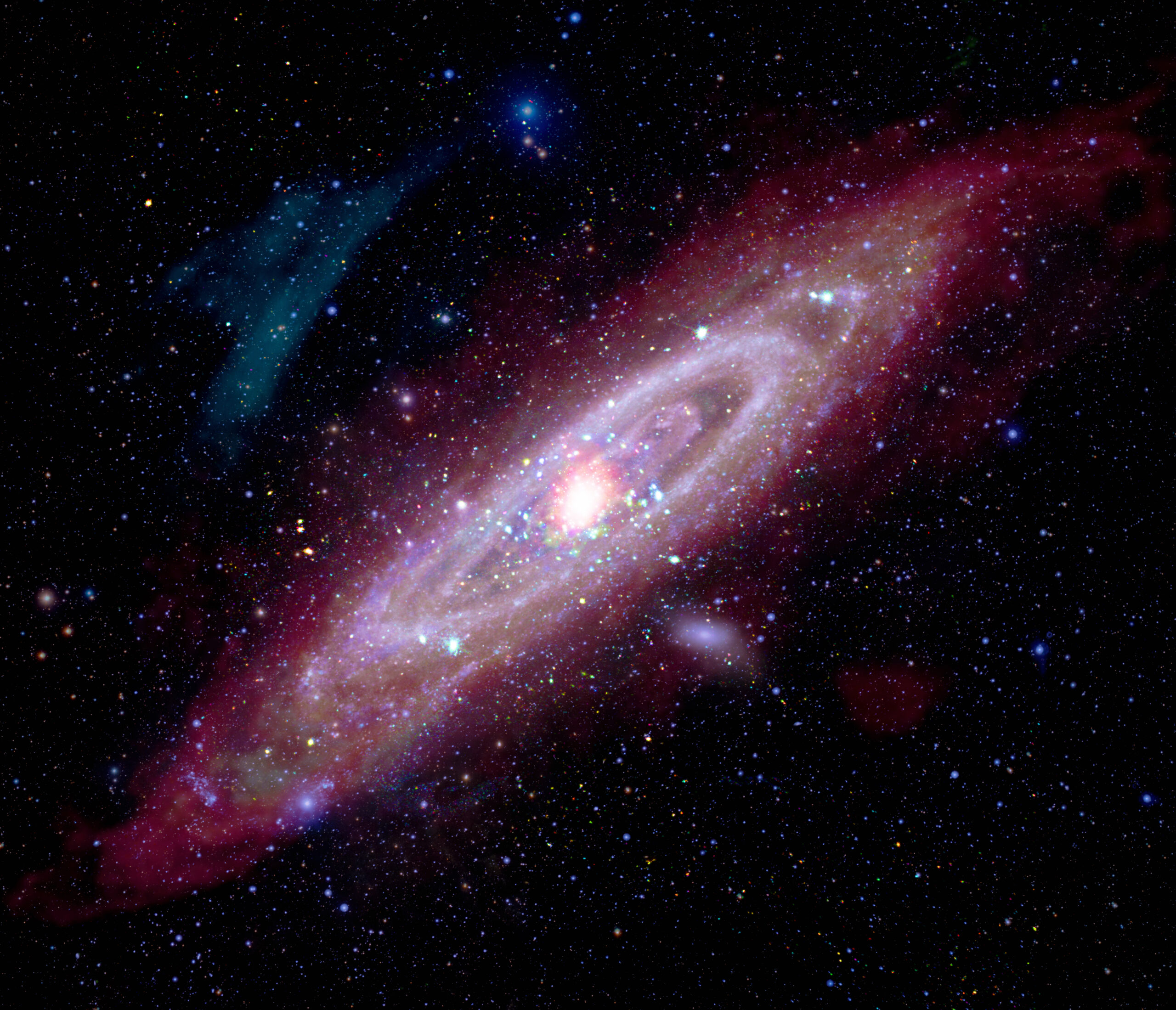
new image of the Andromeda Galaxy, enriched by decades of data from across the electromagnetic spectrum, is more than just a scientific accomplishment—it’s a tribute to curiosity, collaboration, and cosmic discovery.

Introduction: A Fresh Look at the Andromeda Galaxy The Andromeda Galaxy—also known as Messier 31 or M31—is our Milky Way’s closest spiral galaxy neighbor, lying just 2.5 million light-years away. Although vast distances separate us, this neighboring galaxy has long served as a cosmic mirror, reflecting insights into the structure and evolution of our own … Read more
NASA Detects Powerful Black Hole Jet at Cosmic Noon with Chandra

NASA’s Chandra Sees Surprisingly Strong Black Hole Jet at Cosmic “Noon”

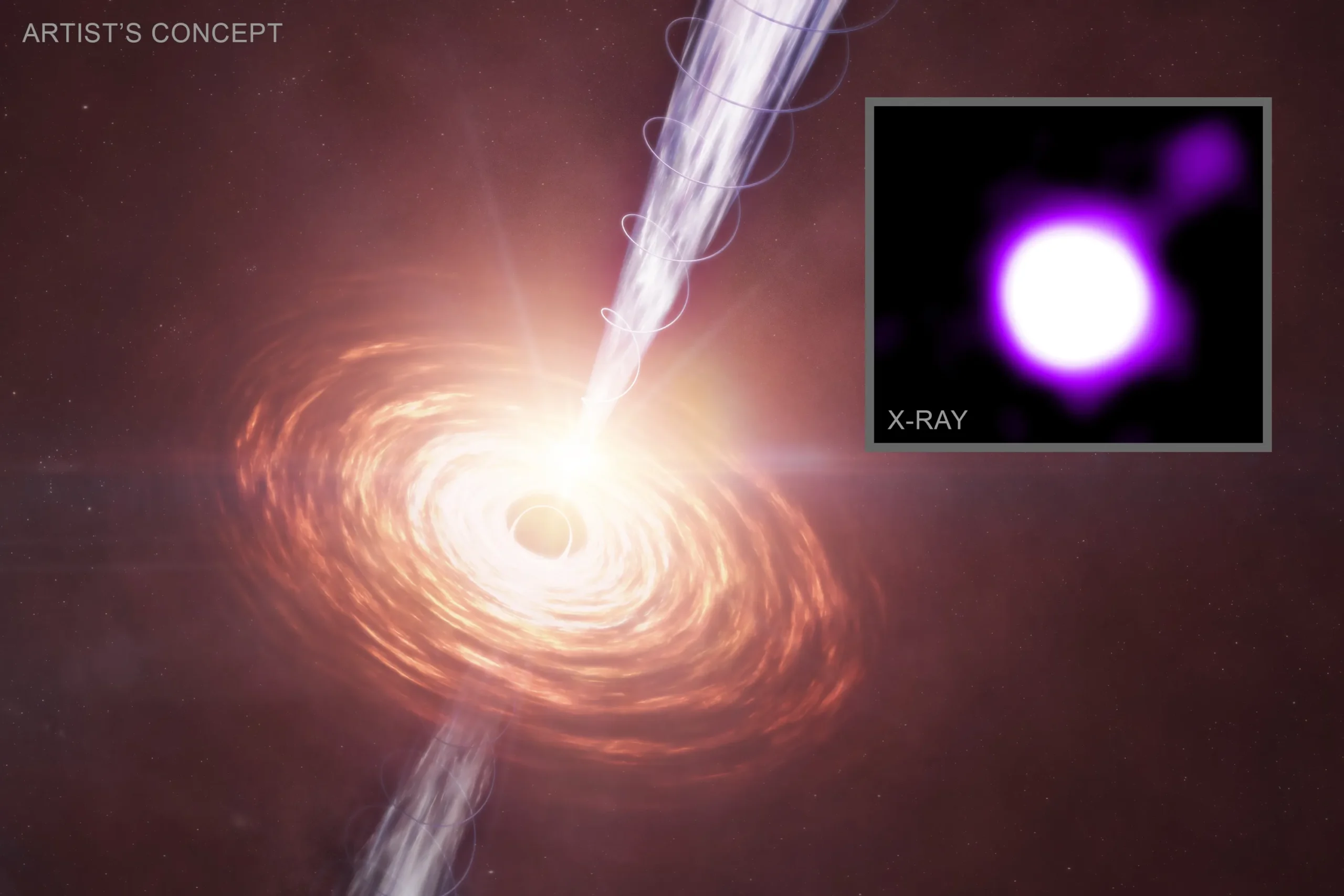
A stunning discovery has added a new chapter to our understanding of how supermassive black holes shaped the early universe. NASA’s Chandra X-ray Observatory, together with the Karl G. Jansky Very Large Array (VLA), has detected a black hole jet at cosmic noon that defies expectations with its intensity and scale. This jet, blasting from … Read more

ASKAP J1832: NASA’s Chandra Probes Mysterious Star

Mysterious Star ASKAP J1832

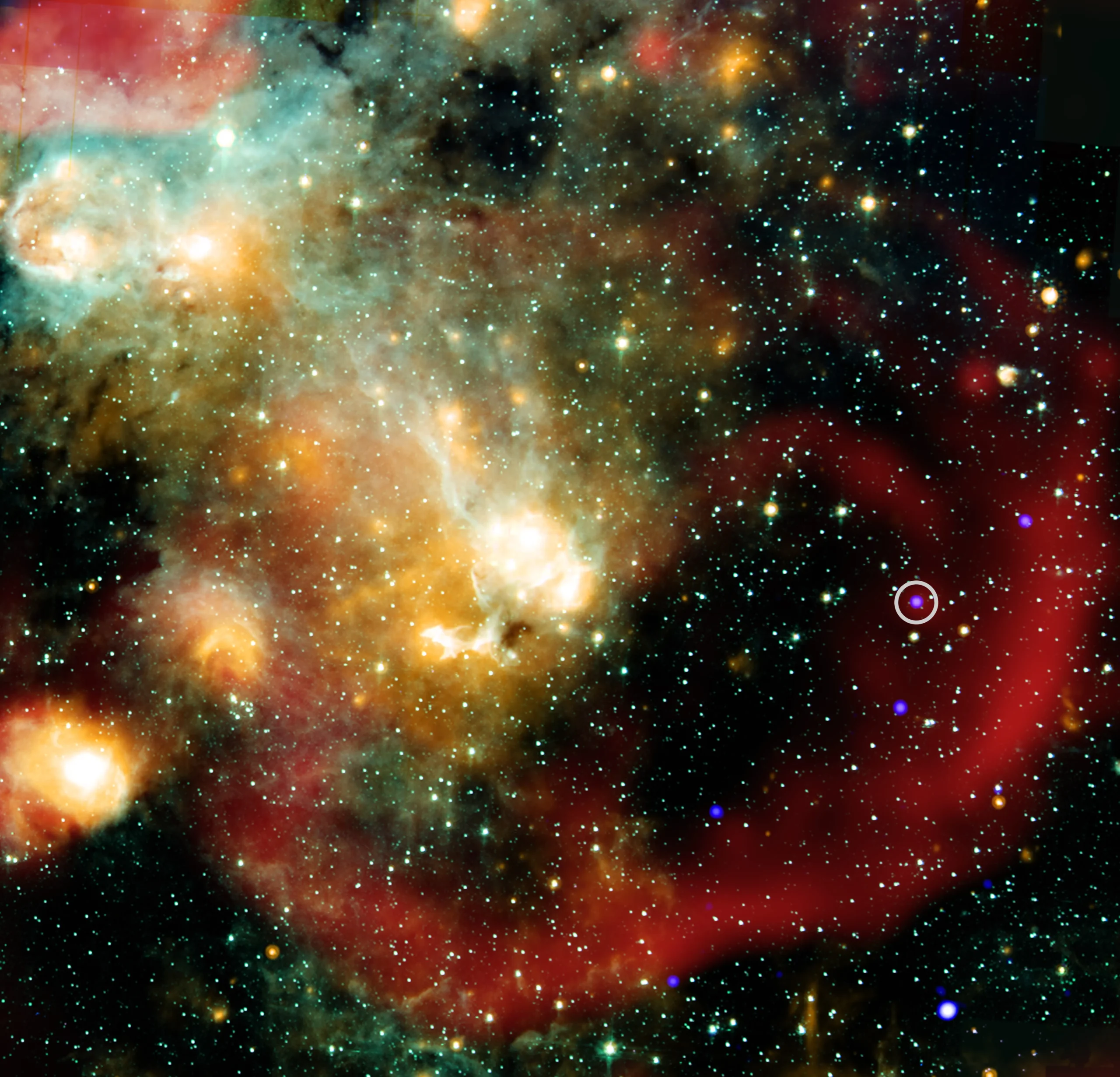
The universe, in its vast and silent expanse, never ceases to amaze us with its celestial curiosities. Just when we think we’re beginning to grasp the cosmic rulebook, a new discovery throws a fascinating wrench in the works. Enter Mysterious Star ASKAP J1832 (formally ASKAP J1832−0911), an eccentric stellar object that is pushing the boundaries … Read more

Galactic Bone G359.13 : NASA’s Chandra Uncovers Cause Behind Fracture

The discovery of the galactic bone fracture caused by a high-speed pulsar reminds us of the dynamic and often violent nature of the cosmos.

Introduction: A Cosmic Mystery Unfolds In a stunning revelation that combines the prowess of X-ray and radio astronomy, NASA’s Chandra X-ray Observatory has helped astronomers uncover the likely cause behind a dramatic galactic bone fracture in the Milky Way. This cosmic structure—formally designated G359.13142-0.20005 and nicknamed “The Snake”—appears to have been split due to a … Read more