Hubble and Webb Explore Starburst Galaxy NGC 4449 : A Dwarf Galaxy with Giant Potential
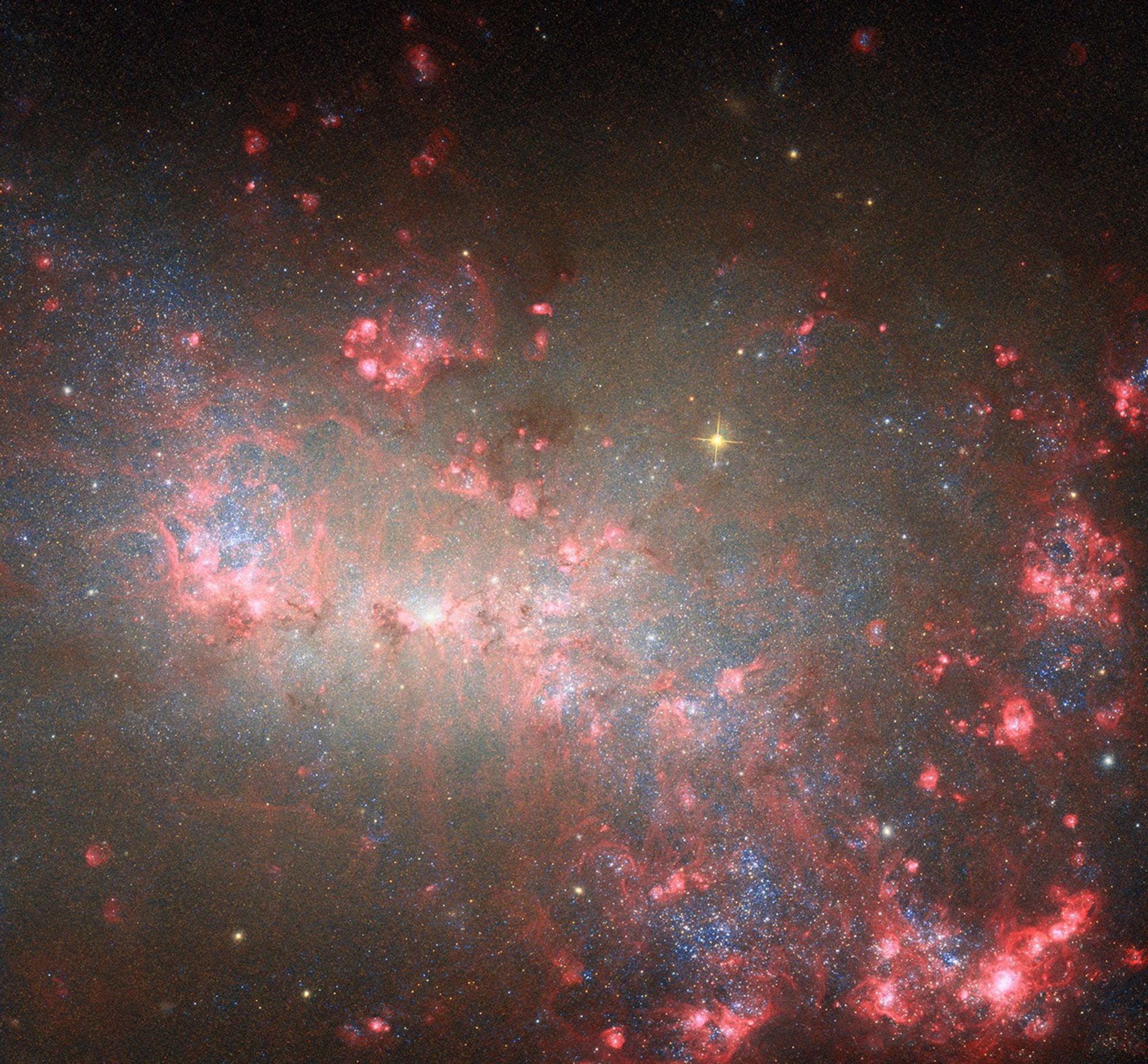
NGC 4449, also known as Caldwell 21, is an irregular Magellanic type galaxy in the constellation Canes Venatici, being located about 13 million light-years away. It was discovered by German-British astronomer William Herschel on 27 April 1788.

Introduction: Discovering the Starburst Galaxy NGC 4449 The Universe is full of surprises, and one of the most astonishing examples comes from a small, nearby galaxy with an unexpectedly powerful star-forming capability — the starburst galaxy NGC 4449. Despite its relatively small size, starburst galaxy has earned a prominent place in astronomical research due to … Read more
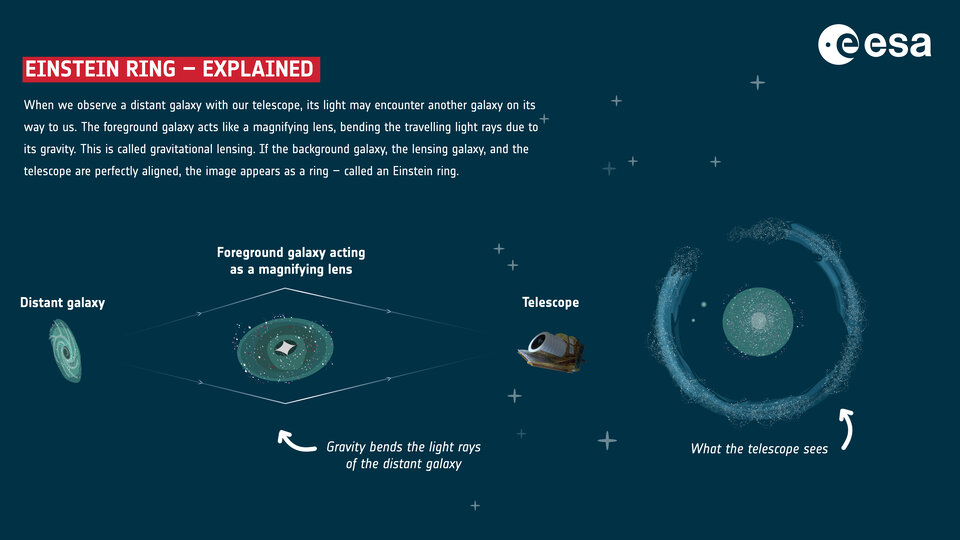
Einstein Ring: How Gravity Warps Light and Space

Einstein’s Ring is more than just a celestial wonder—it is a perfect blend of science and beauty, mathematics and mystery.

Introduction: The Curious Case of Light Bending in Space In the vast canvas of space, where stars and galaxies dance in silence, nature occasionally paints something truly spectacular—Einstein Ring. It’s not a structure or a solid object, but rather a cosmic illusion created by gravity’s unseen hand. A perfect circle of light, shining around a … Read more

Milky Way and Andromeda Collision: New Study Reveals It May Never Happen

The Milky Way and Andromeda collision, once thought to be an astronomical certainty, has now been reduced to a cosmic coin flip.

Milky Way and Andromeda Collision: From Cosmic Certainty to a 50/50 Gamble For decades, astronomers projected a spectacular galactic event: the Milky Way and Andromeda collision. This merger was once considered a near-certainty, expected to occur in about 5 billion years, resulting in a colossal supergalaxy informally dubbed “Milkomeda.” However, thanks to new data and … Read more

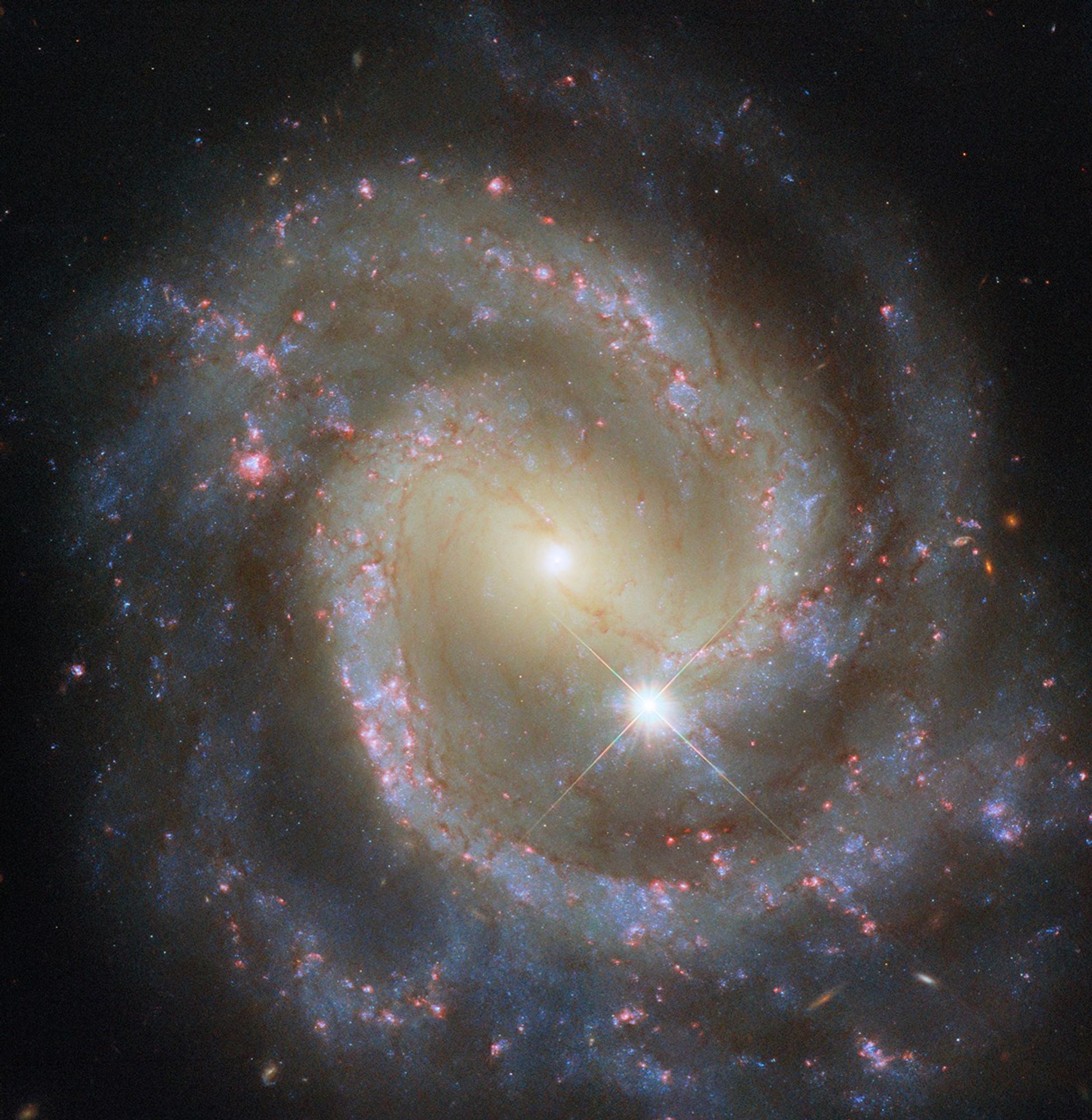
Hubble Captures Spiral Galaxy NGC 3507 in Stunning Detail

beautiful spiral galaxy is NGC 3507, which is situated about 46 million light-years away in the constellation Leo

Introduction: A Lone Beauty in the Cosmos The Hubble Space Telescope, a joint project of NASA and ESA, has once again captured a jaw-dropping glimpse of deep space. In its latest cosmic snapshot, Hubble zeroes in on a dazzling celestial wonder: the spiral galaxy NGC 3507. Though it belongs to a pair of galaxies, NGC … Read more

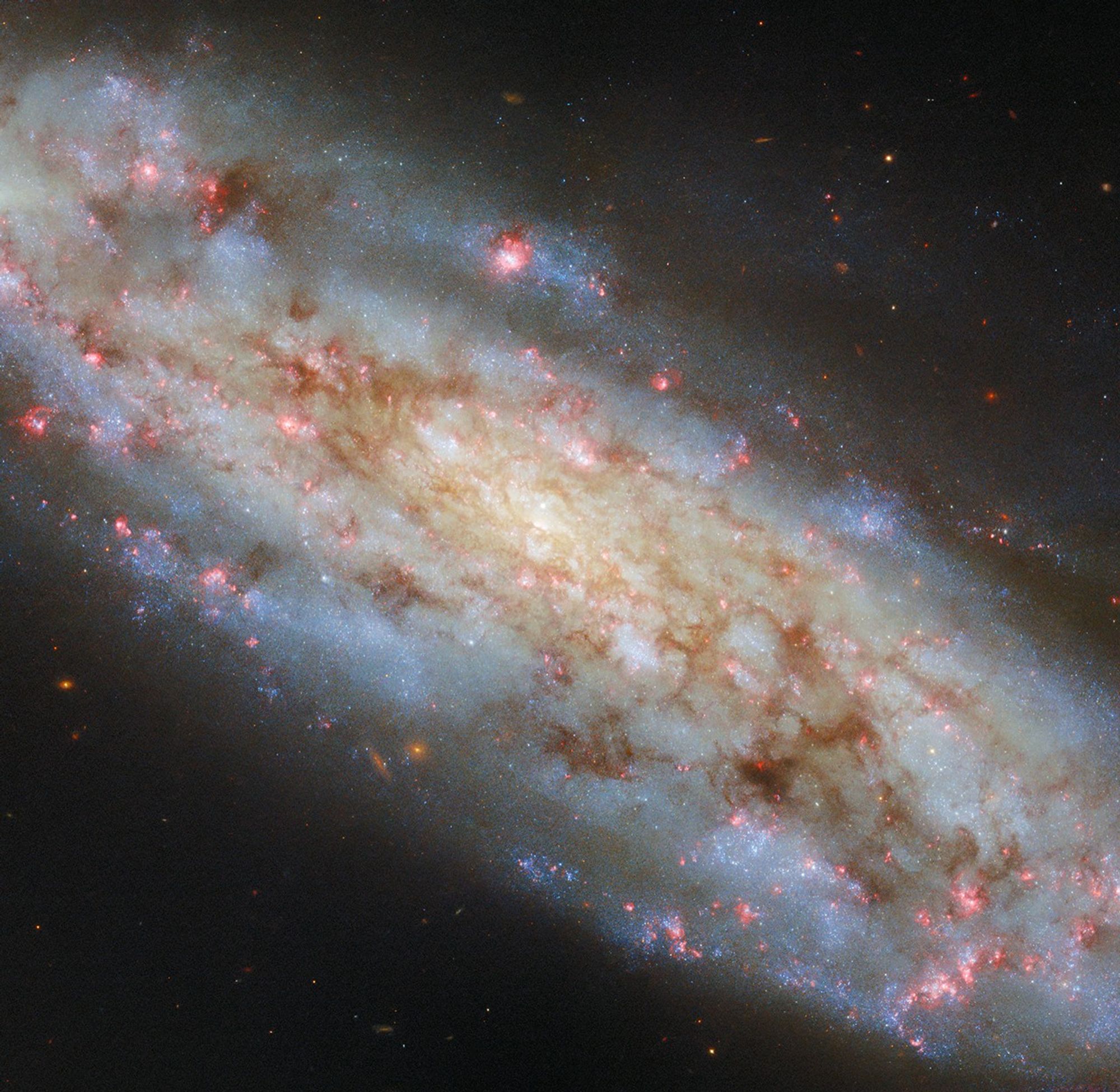
Hubble Spies NGC 3511: A Majestic Spiral Galaxy Tilted in the Cup of the Cosmos

The stately and inclined spiral galaxy NGC 3511 is the subject of this NASA/ESA Hubble Space Telescope image.

Introduction: A Tilted Wonder in the Universe The universe is filled with galaxies of all shapes, sizes, and orientations. One such spectacular spiral galaxy, known as NGC 3511, has recently been observed by the NASA/ESA Hubble Space Telescope, revealing remarkable details of its structure and star-forming activity. Located about 43 million light-years away in the … Read more

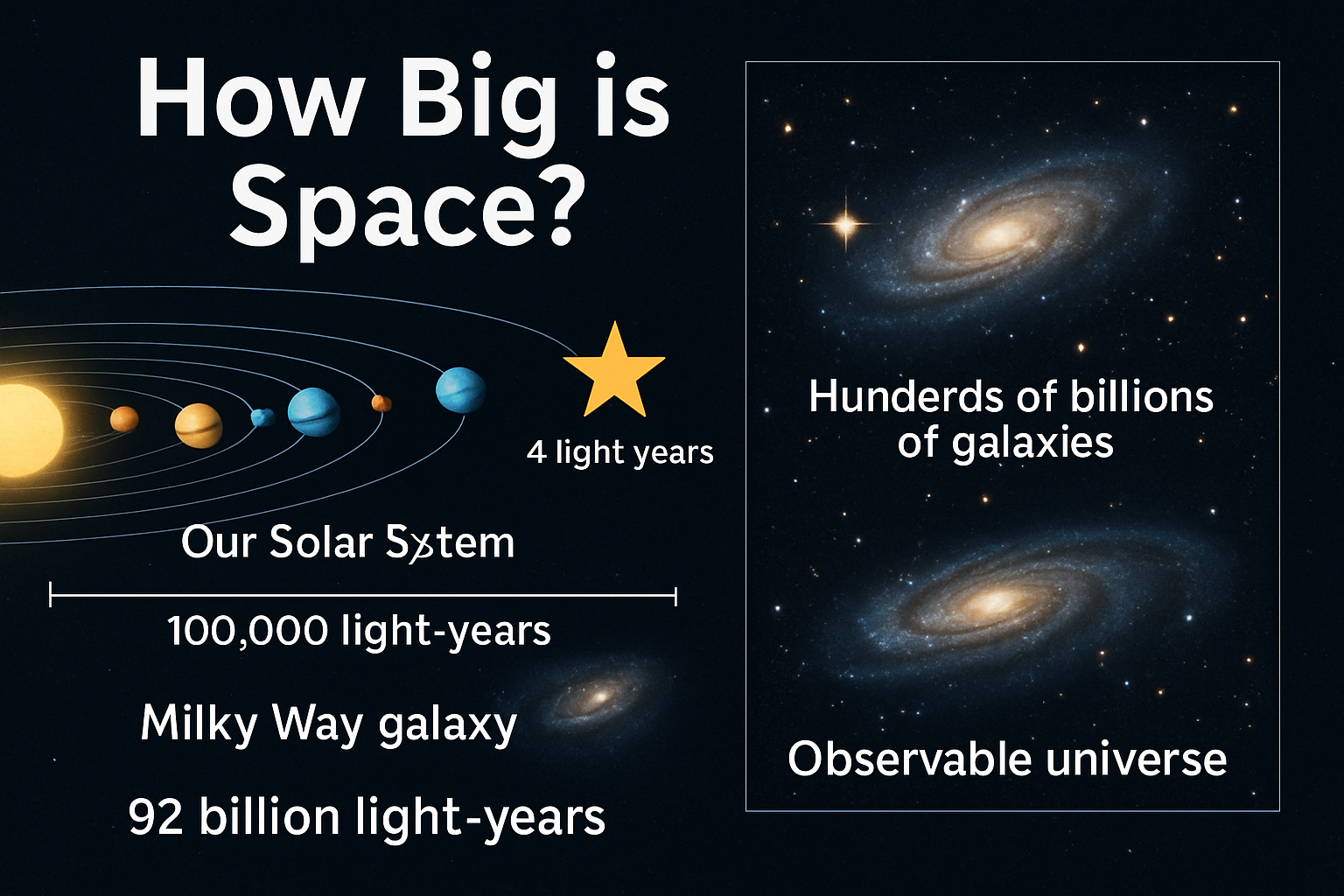
How Big is Space? Exploring the Immense Scale of the Universe

To begin answering how big is space, let's start close to home: our own solar system. Earth, orbiting at a comfortable 93 million miles from the Sun, feels like our backyard. But even getting to the outermost planet, Pluto, is a massive undertaking.

Introduction: Why Asking “How Big is Space?” Matters When we ask “How Big is Space?”, we’re diving into one of the most fascinating and mind-bending questions in science. Space isn’t just big — it’s beyond comprehension. From our tiny blue planet to the furthest galaxies captured by telescopes like Hubble and James Webb, the scale … Read more