
Hubble and Webb Explore Starburst Galaxy NGC 4449 : A Dwarf Galaxy with Giant Potential
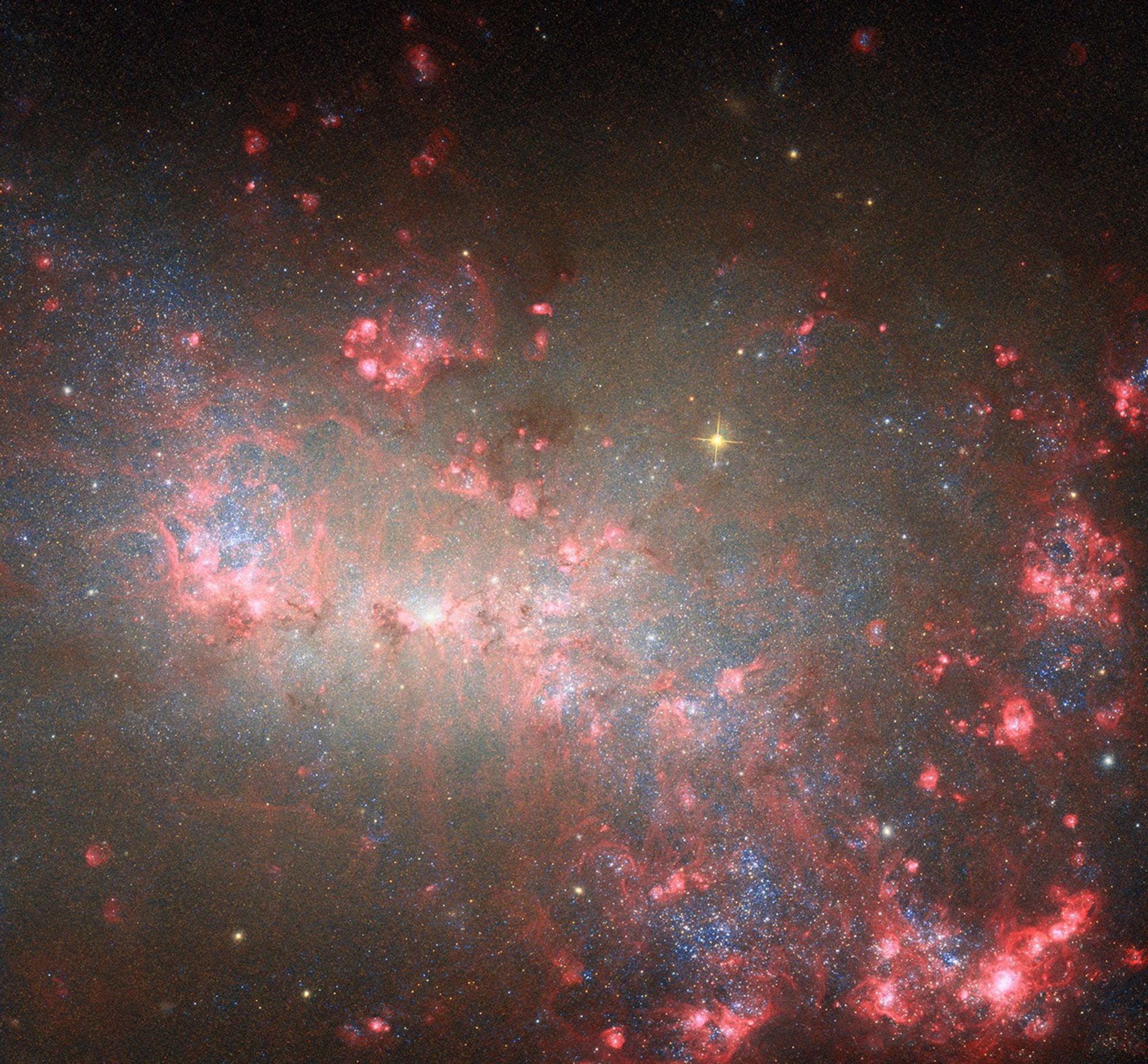
NGC 4449, also known as Caldwell 21, is an irregular Magellanic type galaxy in the constellation Canes Venatici, being located about 13 million light-years away. It was discovered by German-British astronomer William Herschel on 27 April 1788.

Introduction: Discovering the Starburst Galaxy NGC 4449 The Universe is full of surprises, and one of the most astonishing examples comes from a small, nearby galaxy with an unexpectedly powerful star-forming capability — the starburst galaxy NGC 4449. Despite its relatively small size, starburst galaxy has earned a prominent place in astronomical research due to … Read more
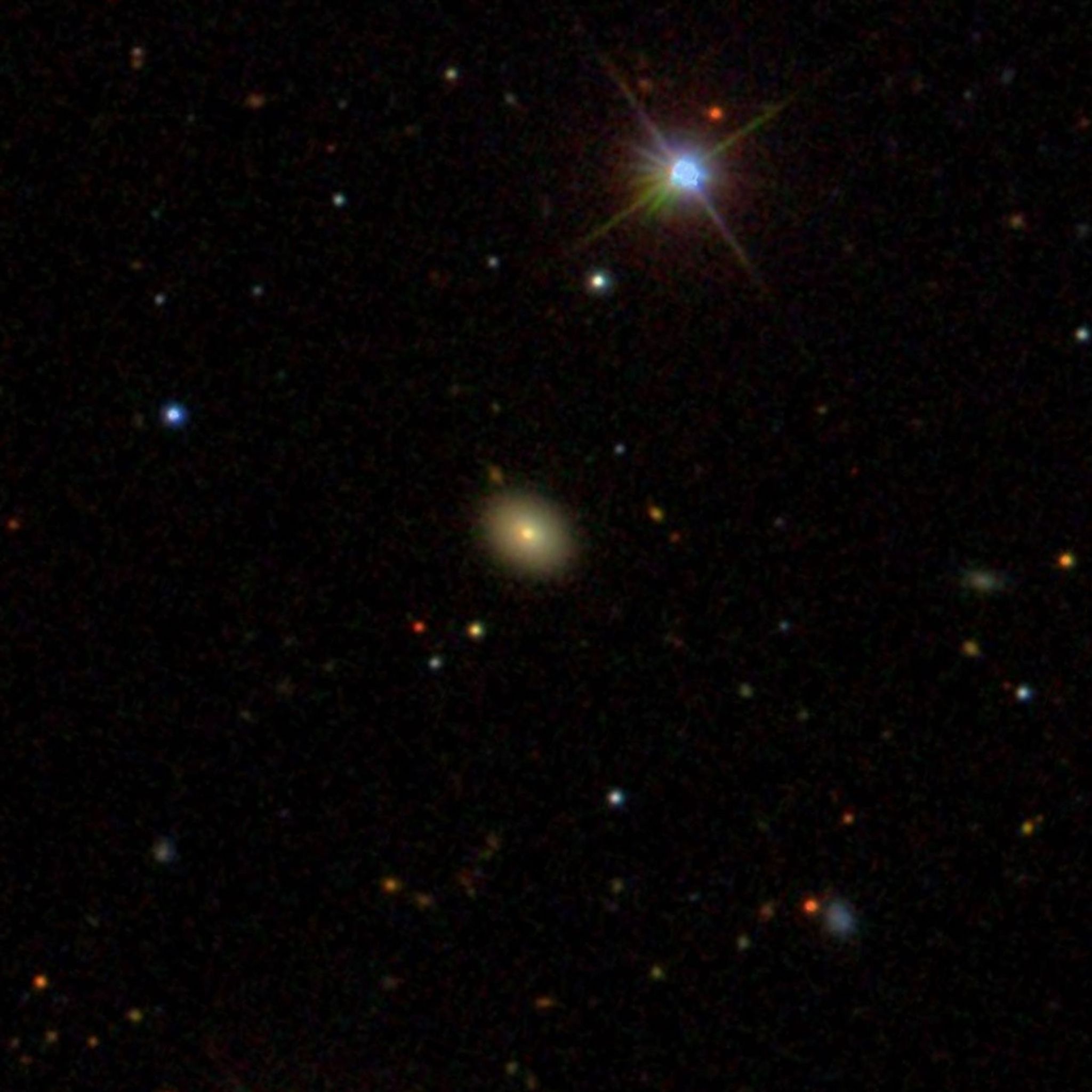
Quasi-Periodic Eruptions Near Black Holes: What NASA’s NICER Mission Uncovered

Quasi-periodic eruptions are recurring bursts of X-ray energy emanating from regions near supermassive black holes. Unlike one-time events such as supernovae, QPEs repeat on a regular or semi-regular basis.

Introduction: The Mystery of Quasi-Periodic Eruptions Black holes have long captivated scientists and space enthusiasts alike. But now, thanks to NASA’s NICER mission and its collaborators, we’re closer than ever to understanding a rare and mysterious phenomenon: quasi-periodic eruptions (QPEs). These powerful, rhythmic X-ray outbursts near supermassive black holes may unlock insights into how matter … Read more