
Quasi-Periodic Eruptions Near Black Holes: What NASA’s NICER Mission Uncovered
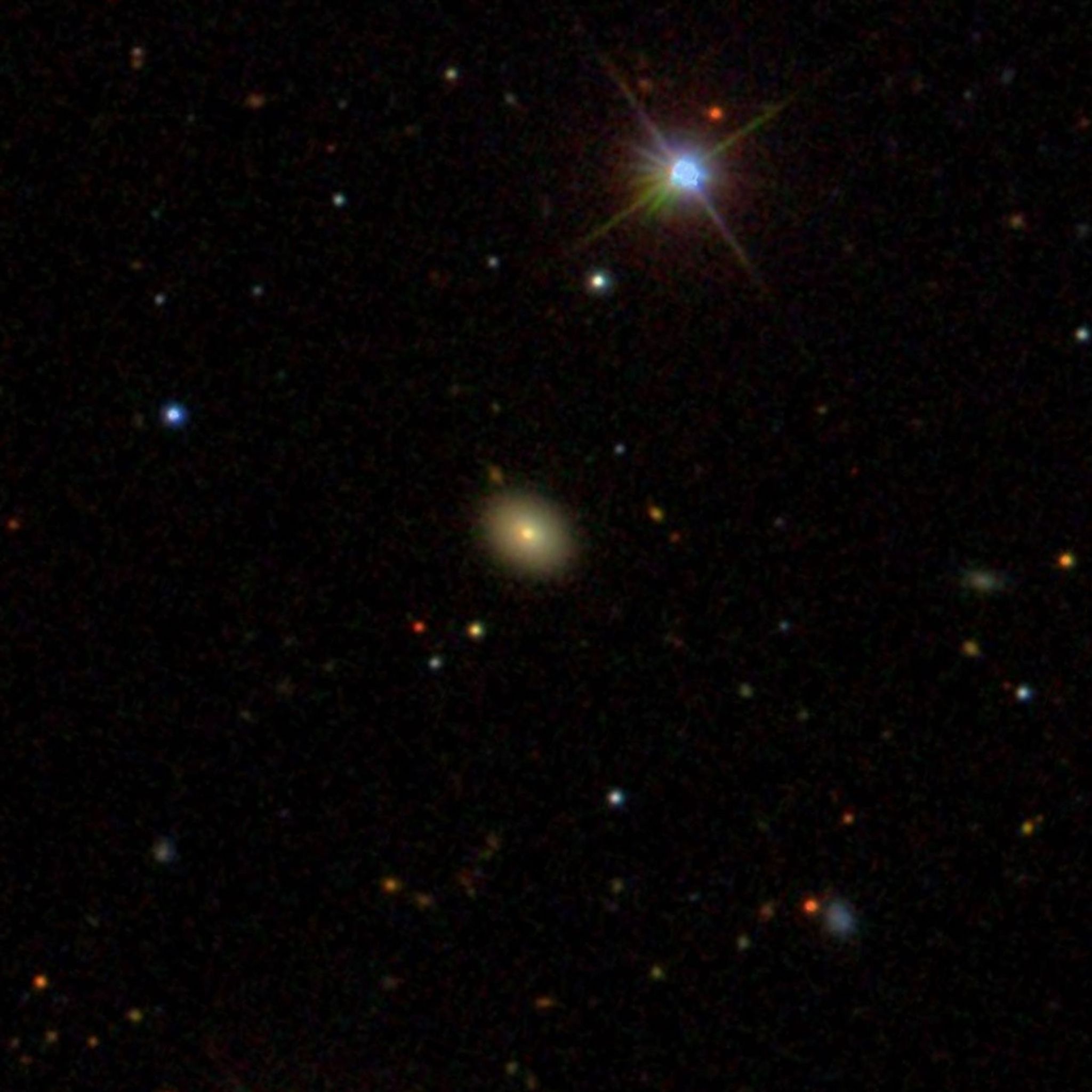
Quasi-periodic eruptions are recurring bursts of X-ray energy emanating from regions near supermassive black holes. Unlike one-time events such as supernovae, QPEs repeat on a regular or semi-regular basis.

Introduction: The Mystery of Quasi-Periodic Eruptions Black holes have long captivated scientists and space enthusiasts alike. But now, thanks to NASA’s NICER mission and its collaborators, we’re closer than ever to understanding a rare and mysterious phenomenon: quasi-periodic eruptions (QPEs). These powerful, rhythmic X-ray outbursts near supermassive black holes may unlock insights into how matter … Read more
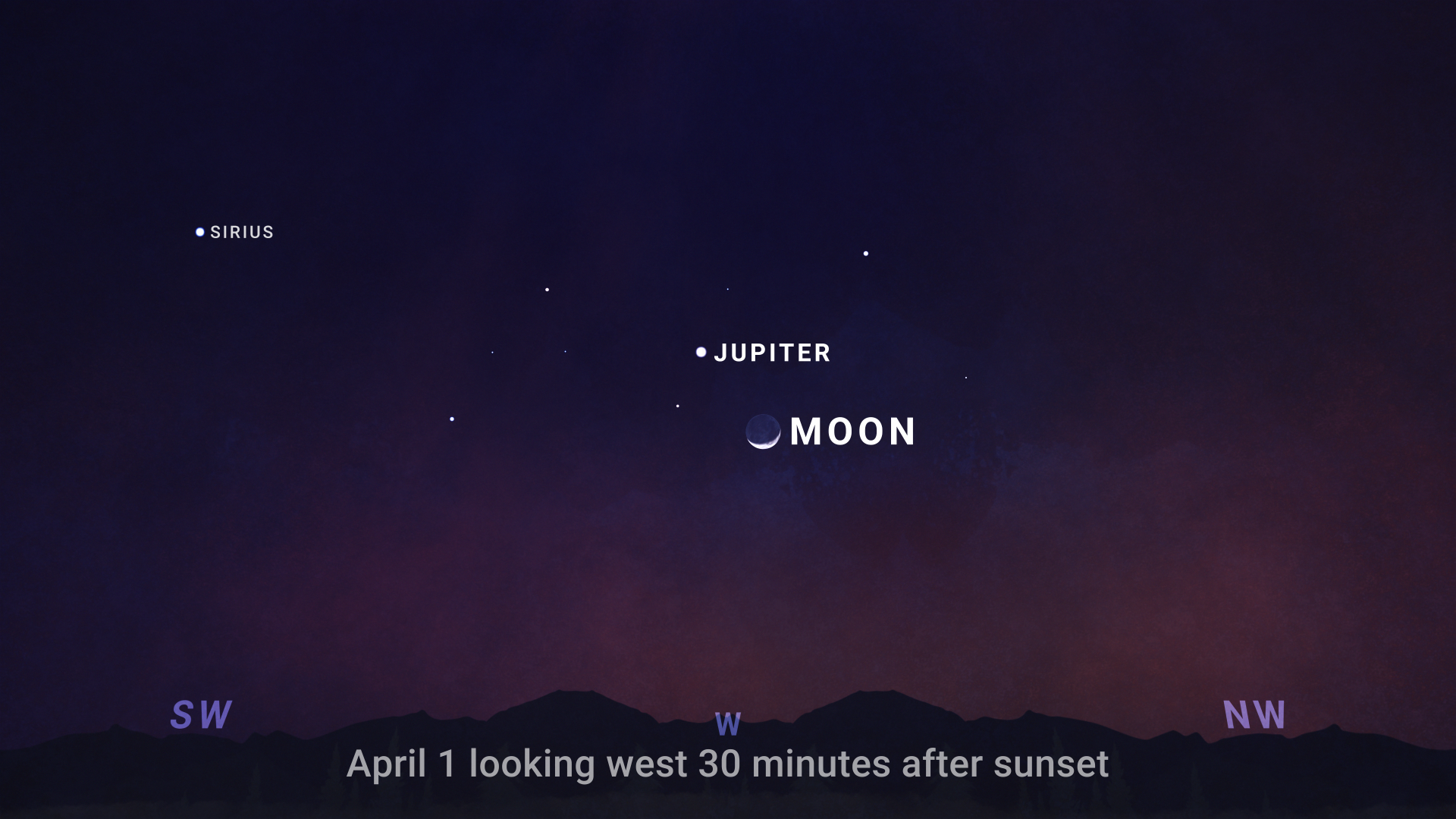
April Skywatching : Your Guide to a Month of Celestial Wonders

This April skywatching highlight, located approximately 34,000 light-years away in the outer halo of our Milky Way galaxy, is a vast spherical collection of hundreds of thousands of stars. Many of these stars are among the oldest known in the universe, estimated to be between 11 and 13 billion years old.

Introduction April 2025 unfolds a celestial tapestry rich with opportunities for skywatchers of all levels. From the vibrant dance of planets across the morning and evening skies to the fleeting streaks of the Lyrid meteor shower and a deep dive into the ancient heart of our galaxy with the globular cluster M3, this month offers … Read more

NGC 5530: Hubble Captures a Cosmic Illusion and a Supernova Surprise

Hubble Space Telescope image is the stunning NGC 5530 Spiral Galaxy. This galaxy is situated 40 million light-years away in the constellation Lupus, the Wolf, and classified as a ‘flocculent’ spiral

Introduction The Hubble Space Telescope, a tireless explorer of the cosmos, has once again provided us with a breathtaking image: NGC 5530, a spiral galaxy residing 40 million light-years away in the constellation Lupus. This isn’t just another pretty picture, however. NGC 5530 presents a captivating cosmic illusion alongside a remarkable tale of amateur astronomical … Read more

UGC 5460 Supernova: Hubble Unveils a Cosmic Explosion Mystery

the UGC 5460 supernova tale is a reminder of the universe’s wild complexity. This spiral galaxy isn’t just a pretty face—it’s a stage for stellar drama,

A Galaxy Lit by UGC 5460 Supernova Events The universe is full of surprises, and few are as captivating as the UGC 5460 supernova events that have lit up this distant spiral galaxy. Located 60 million light-years away in Ursa Major, UGC 5460 has become a stellar showcase thanks to the NASA/ESA Hubble Space Telescope. … Read more