
Webb Telescope Uncovers Stunning Mysteries in Jupiter Auroras
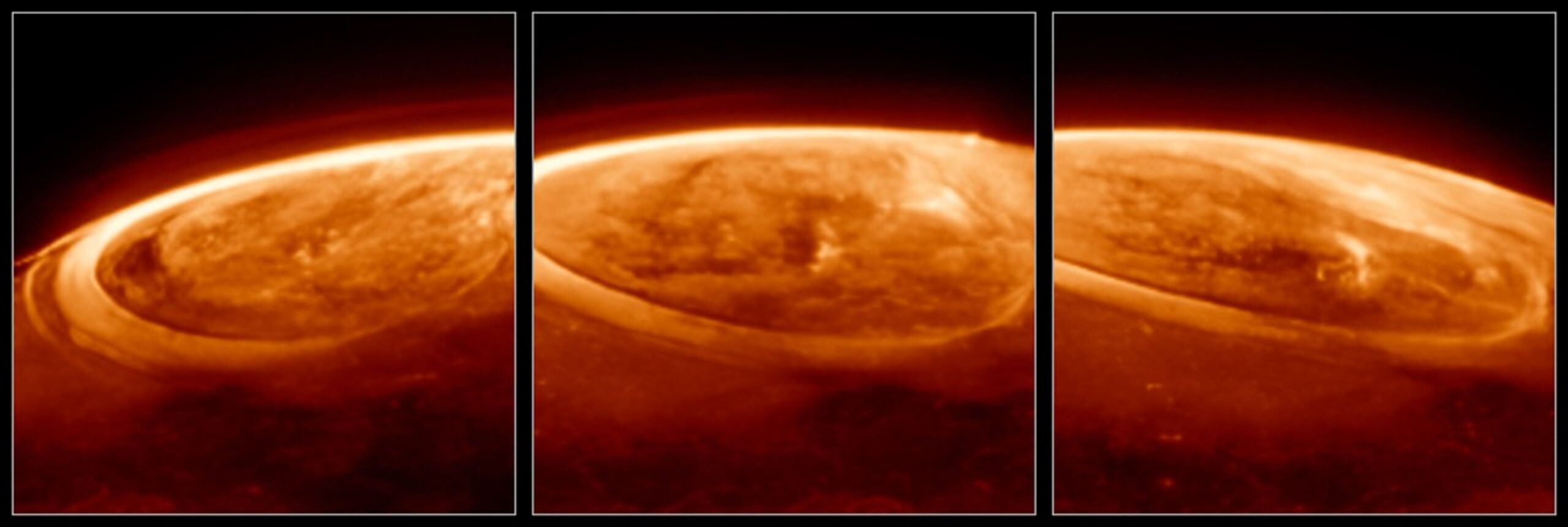
NASA’s Webb Reveals New Details, Mysteries in Jupiter Aurora

Introduction: A New Era of Auroral Discovery Jupiter, the gas giant that reigns as the largest planet in our solar system, continues to captivate scientists and space enthusiasts alike. Recently, NASA’s James Webb Space Telescope (JWST) has offered groundbreaking insights into one of Jupiter’s most mesmerizing phenomena — its powerful and dynamic auroras. Known for … Read more
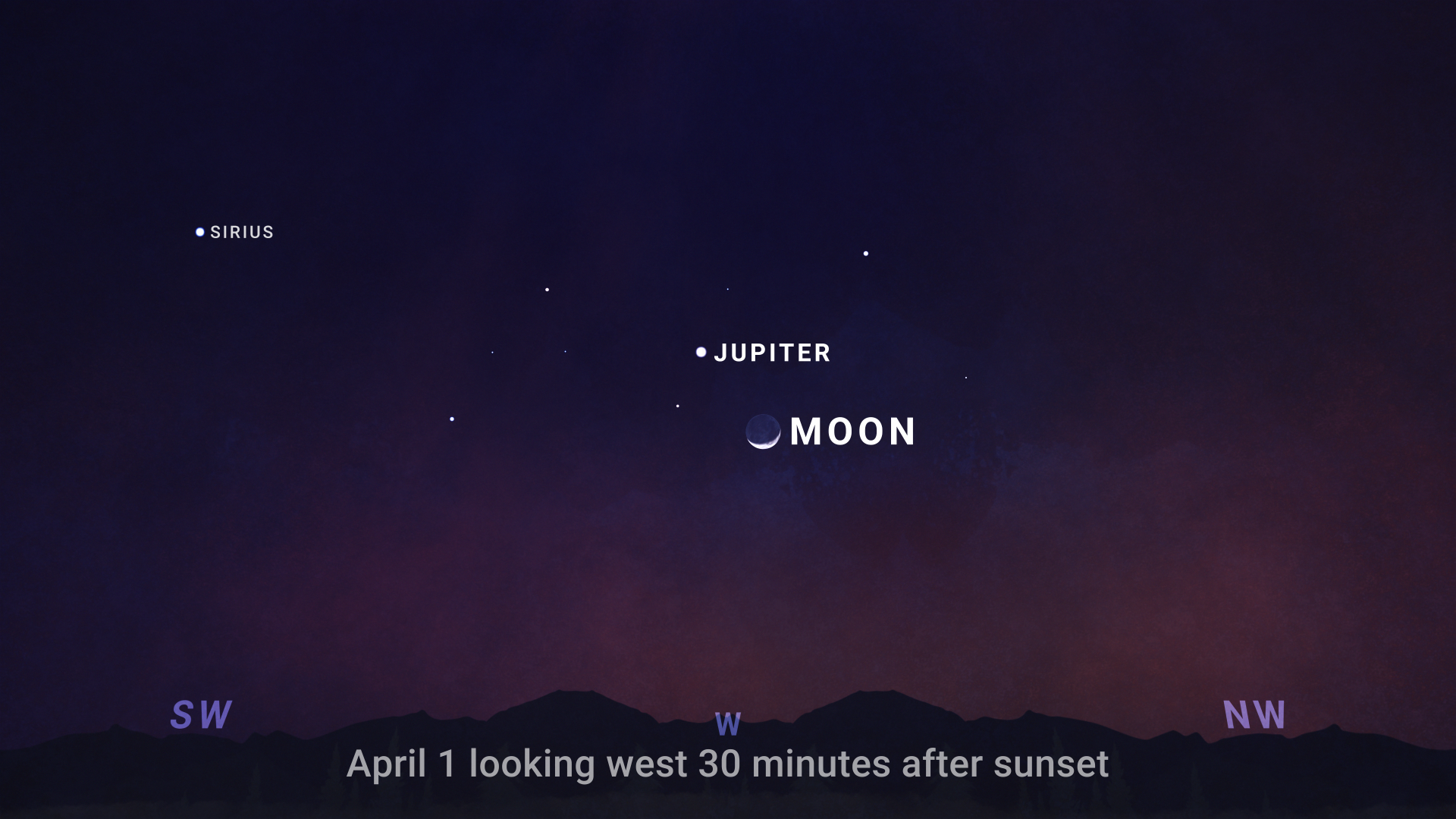
April Skywatching : Your Guide to a Month of Celestial Wonders

This April skywatching highlight, located approximately 34,000 light-years away in the outer halo of our Milky Way galaxy, is a vast spherical collection of hundreds of thousands of stars. Many of these stars are among the oldest known in the universe, estimated to be between 11 and 13 billion years old.

Introduction April 2025 unfolds a celestial tapestry rich with opportunities for skywatchers of all levels. From the vibrant dance of planets across the morning and evening skies to the fleeting streaks of the Lyrid meteor shower and a deep dive into the ancient heart of our galaxy with the globular cluster M3, this month offers … Read more

Unveiling Jupiter’s Mysterious Dark Ovals: New Insights into the Giant Planet’s Atmosphere

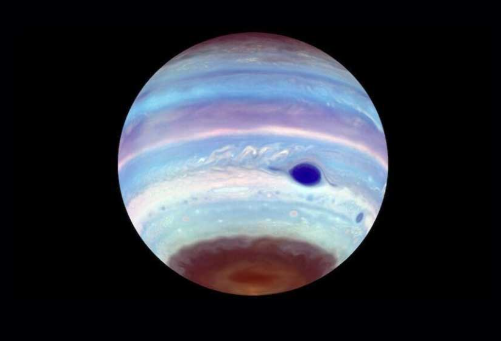
Jupiter’s dark ovals are fascinating features located in the upper atmospheric layers near the poles. They absorb UV light, making them appear dark in Hubble’s ultraviolet images.

Introduction Jupiter, the largest planet in our Solar System, never ceases to amaze scientists and space enthusiasts alike. Known for its stunning cloud bands, swirling storms, and massive Great Red Spot, Jupiter’s atmosphere hides many intriguing secrets. One of the most fascinating recent discoveries involves Earth-sized dark ovals that are only visible in ultraviolet (UV) … Read more