How Big is Space? Exploring the Immense Scale of the Universe
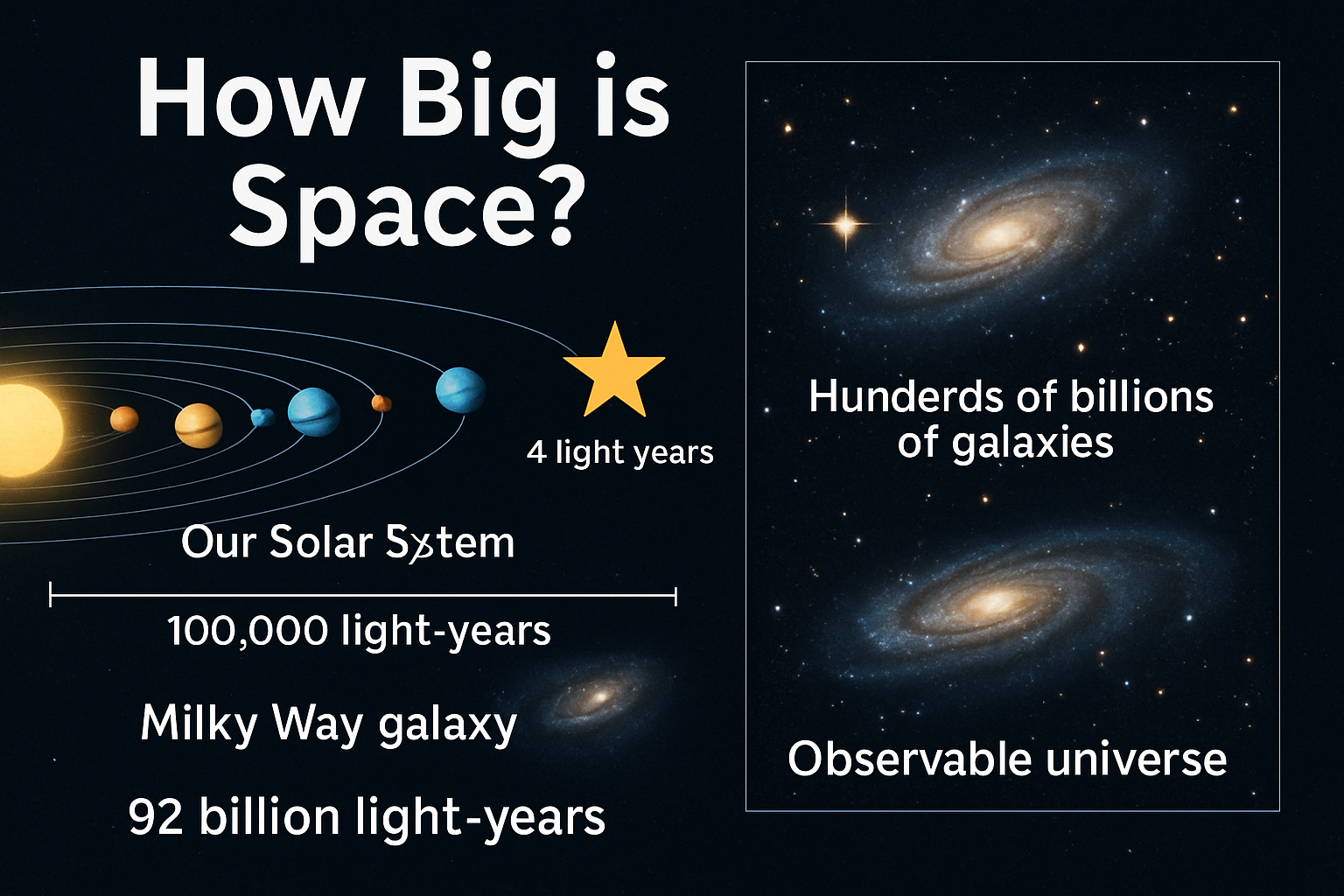
To begin answering how big is space, let's start close to home: our own solar system. Earth, orbiting at a comfortable 93 million miles from the Sun, feels like our backyard. But even getting to the outermost planet, Pluto, is a massive undertaking.

Introduction: Why Asking “How Big is Space?” Matters When we ask “How Big is Space?”, we’re diving into one of the most fascinating and mind-bending questions in science. Space isn’t just big — it’s beyond comprehension. From our tiny blue planet to the furthest galaxies captured by telescopes like Hubble and James Webb, the scale … Read more
The Perpendicular Planet 2M1510 Astounding Discovery

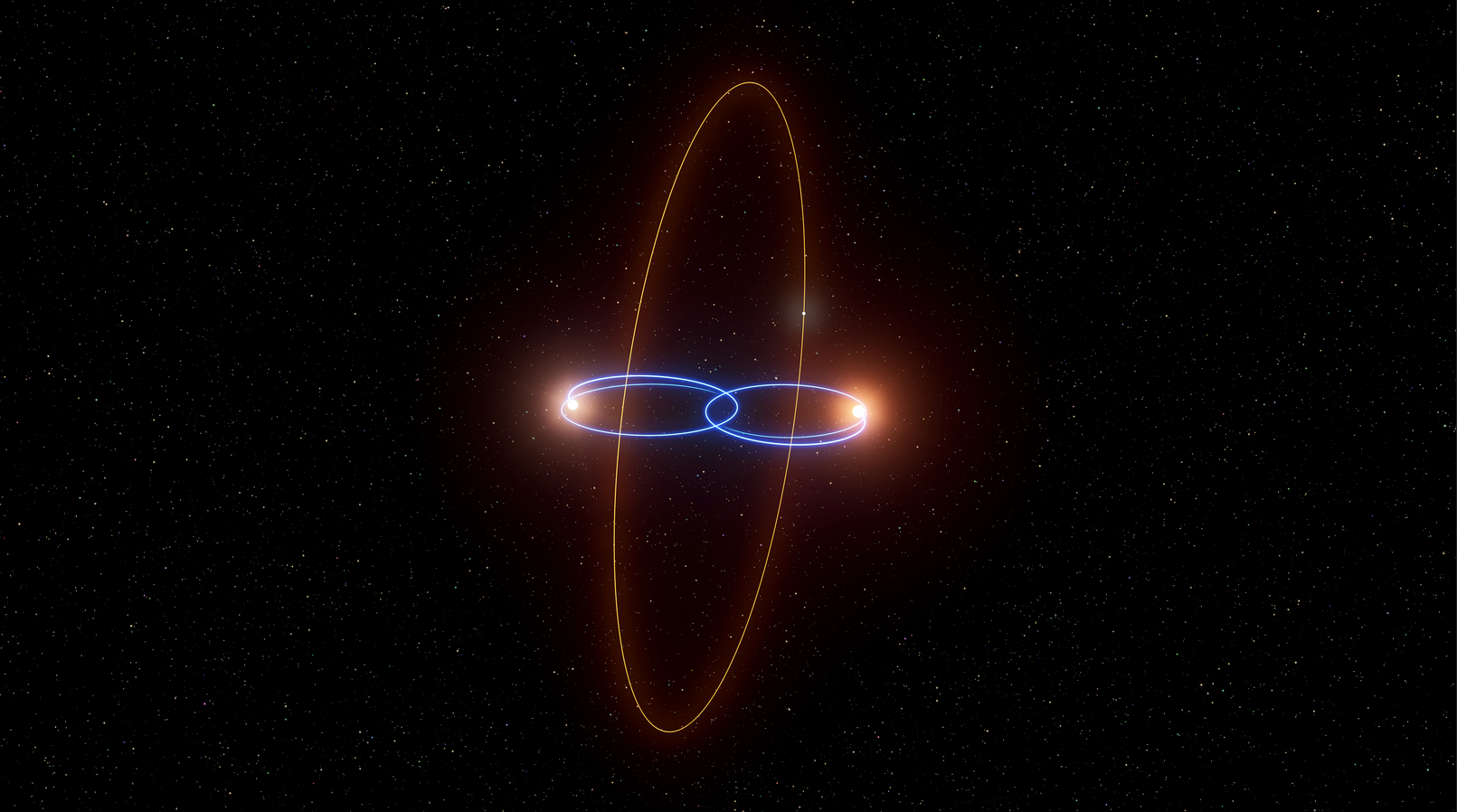
The discovery of the Perpendicular Planet 2M1510 marks a thrilling new chapter in the ongoing quest to understand the universe beyond our solar system.

For centuries, humanity has gazed at the night sky, captivated by the orderly dance of celestial bodies. Our own solar system, with its planets gracefully orbiting the Sun in a relatively flat plane, has long served as our primary model for how planetary systems form and evolve. Yet, the universe consistently reminds us of its … Read more

Frozen Water in Young Star System Detected by NASA’s Webb Telescope

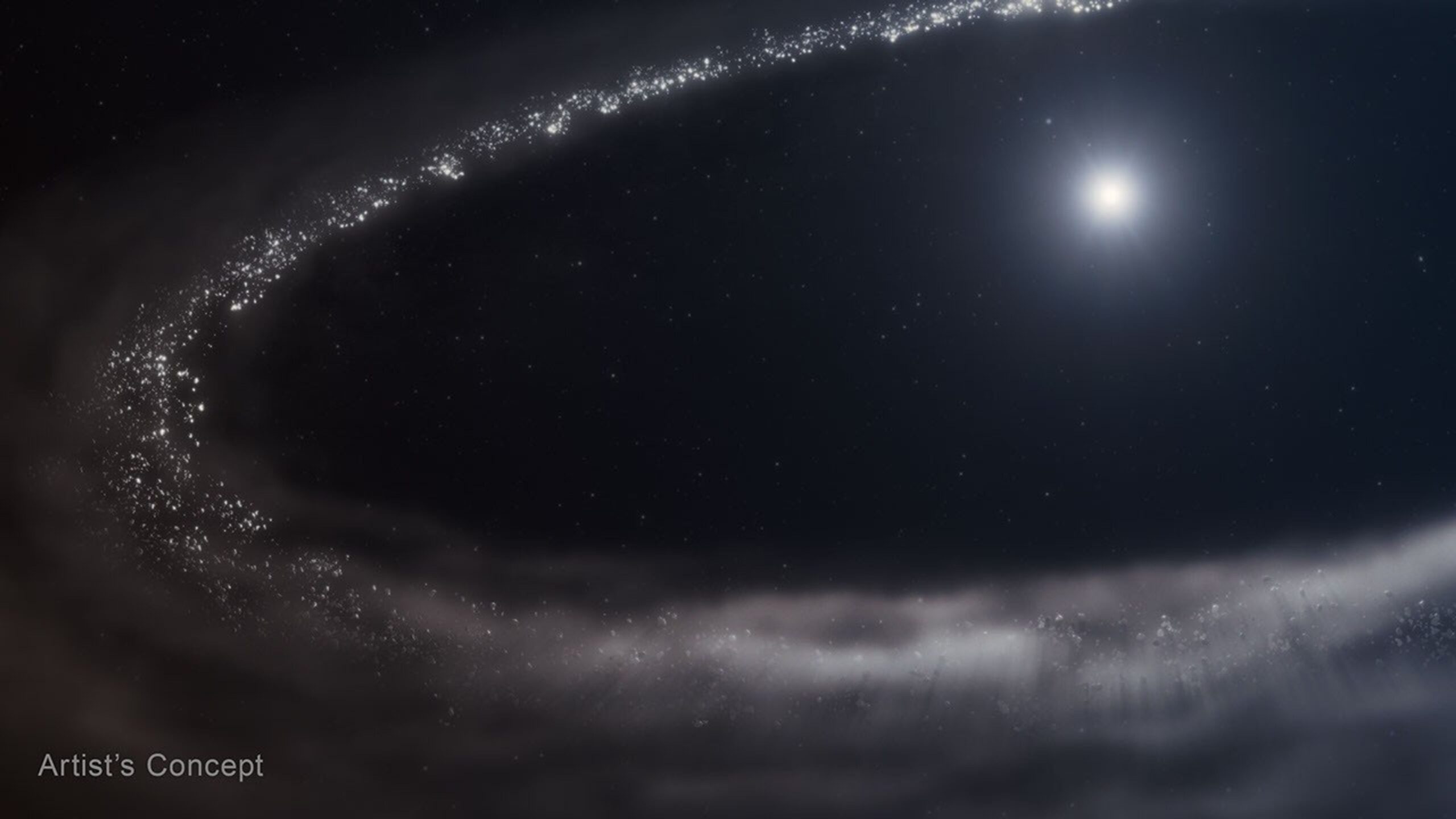
Astronomers have long suspected that frozen water in young star systems is a common feature of planetary formation.

Introduction: Unveiling Frozen Water in a Young Star System Astronomers have long suspected that frozen water in young star systems is a common feature of planetary formation. Now, NASA’s James Webb Space Telescope (JWST) has delivered unambiguous proof. In a groundbreaking discovery, the telescope detected crystalline water ice in a debris disk surrounding the young … Read more

NASA’s Webb Telescope Reveals Secrets of Sub-Neptunes

It proves that sub-Neptunes — once considered almost impossible to analyze — can now be studied in detail, at least under the right conditions.

Introduction: NASA’s James Webb Space Telescope (JWST) is unlocking the secrets of one of the universe’s most common — yet elusive — types of exoplanets: sub-Neptunes. Though not found in our own solar system, these planets dominate the catalog of exoplanets in our galaxy. They are larger than Earth but smaller than Neptune, and until … Read more

Hubble Space Telescope 35th Anniversary: A Legacy Written in the Stars

What is the Hubble Space Telescope 35th Anniversary? The Hubble Space Telescope 35th Anniversary celebrates 35 years since Hubble was launched into orbit on April 24, 1990. NASA is marking this milestone by releasing stunning new images and highlighting Hubble’s incredible scientific contributions to astronomy and space exploration.

In April 2025, NASA celebrates a truly remarkable milestone — the Hubble Space Telescope’s 35th anniversary in orbit. For more than three decades, Hubble has served as humanity’s eye on the universe, delivering breathtaking images, groundbreaking discoveries, and reshaping our cosmic understanding. From capturing stellar nurseries to probing the mysteries of dark energy, Hubble’s legacy … Read more

Carbon Dioxide in Exoplanets: NASA’s Webb Telescope Unveils Giant Worlds

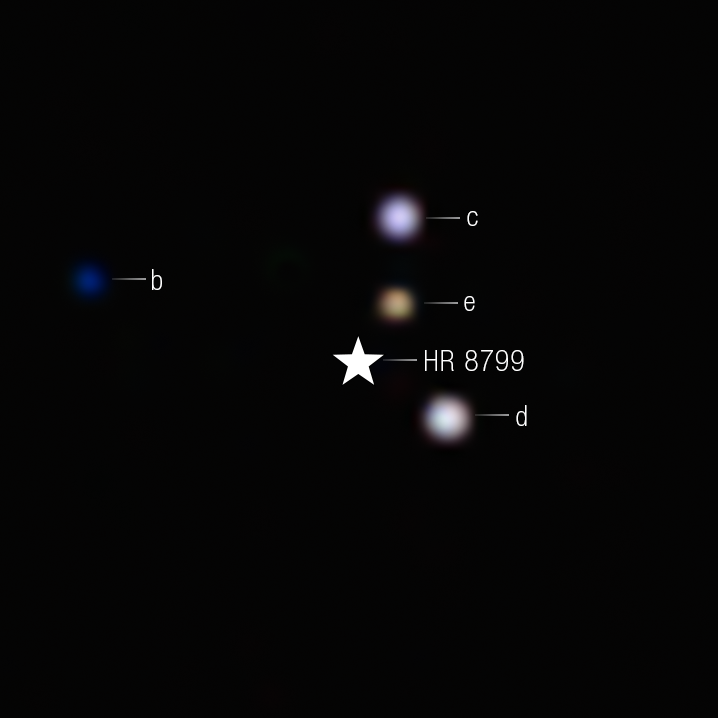
The HR 8799 system, a youthful 30-million-year-old stellar nursery, is a goldmine for studying carbon dioxide in exoplanets.

Introduction Why HR 8799 Stands Out How Webb Captures the Evidence Carbon Dioxide in Exoplanets: Core Accretion vs. Disk Instability Carbon Dioxide in Exoplanets: A Peek at 51 Eridani Why It’s a Cosmic Clue Carbon Dioxide in Exoplanets: What’s Next for Webb Led by NASA with partners ESA and the Canadian Space Agency, Webb is … Read more