Hubble Revisits Messier 72: A Glittering Globular Cluster Revealed in Ultraviolet Light

Hubble’s revisit of Messier 72 not only sharpens our visual understanding but also enhances our ability to conduct spectroscopic studies, derive metallicity indexes, and analyze the core dynamics of star clusters.

🌌 Introduction: Messier 72 Shines Again in Hubble’s Ultraviolet Gaze As part of the European Space Agency and NASA’s celebration of Hubble Space Telescope’s 35th anniversary, astronomers have turned their focus back to one of the most remote entries in the Messier catalog — Messier 72. This glittering globular cluster has been newly imaged using … Read more
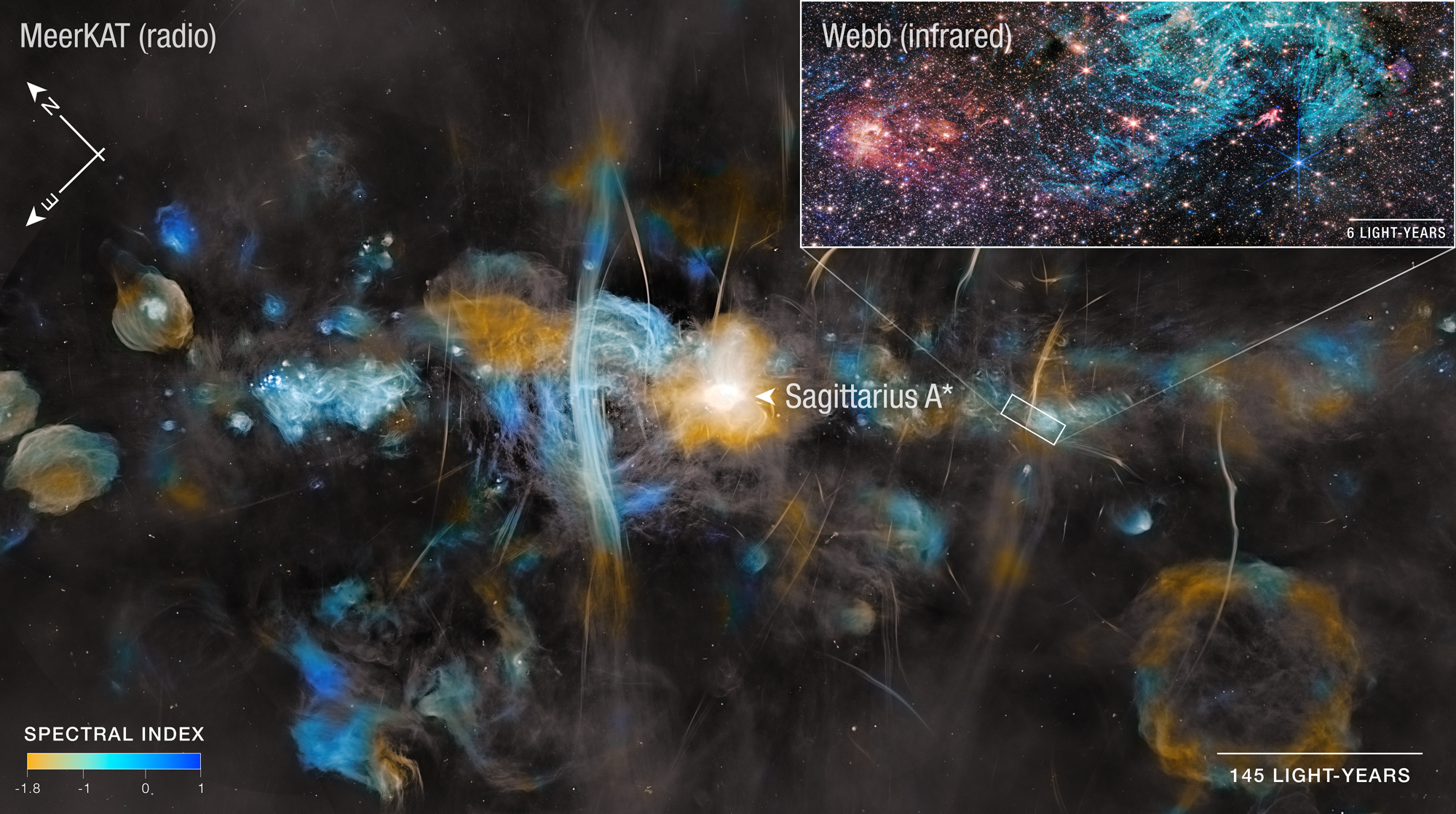
James Webb Space Telescope: Unveiling the Magnetic Secrets of Star Formation in Sagittarius C

the Sagittarius C stellar nursery in the heart of our Milky Way galaxy, captured by NASA’s James Webb Space Telescope, has revealed ejections from still-forming protostars and insights into the impact of strong magnetic fields on interstellar gas and the life cycle of stars.

Introduction The James Webb Space Telescope (JWST), a technological marvel pushing the boundaries of astronomical observation, has delivered groundbreaking insights into one of the most enigmatic regions of our Milky Way galaxy: Sagittarius C, a stellar nursery nestled within the galaxy’s bustling Central Molecular Zone (CMZ). This region, rich in the raw materials for star … Read more

Carbon Dioxide in Exoplanets: NASA’s Webb Telescope Unveils Giant Worlds

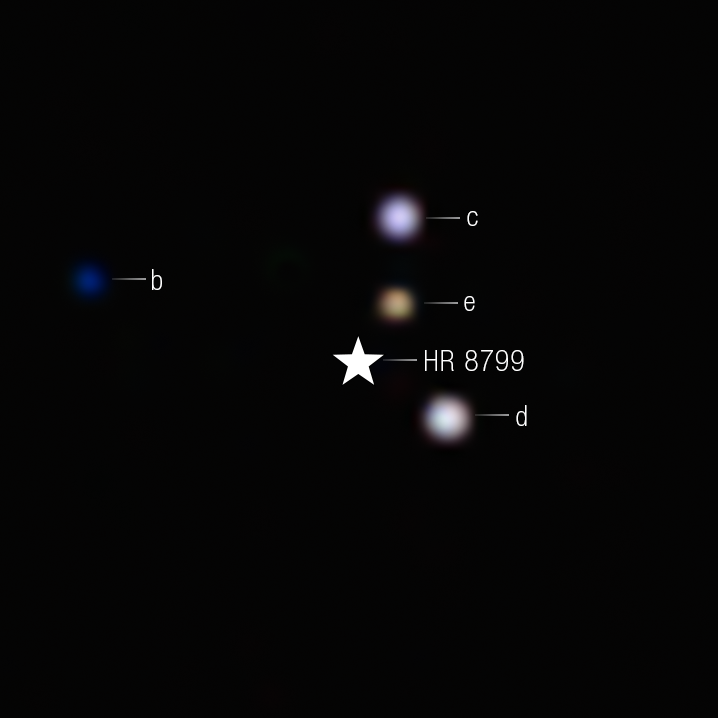
The HR 8799 system, a youthful 30-million-year-old stellar nursery, is a goldmine for studying carbon dioxide in exoplanets.

Introduction Why HR 8799 Stands Out How Webb Captures the Evidence Carbon Dioxide in Exoplanets: Core Accretion vs. Disk Instability Carbon Dioxide in Exoplanets: A Peek at 51 Eridani Why It’s a Cosmic Clue Carbon Dioxide in Exoplanets: What’s Next for Webb Led by NASA with partners ESA and the Canadian Space Agency, Webb is … Read more

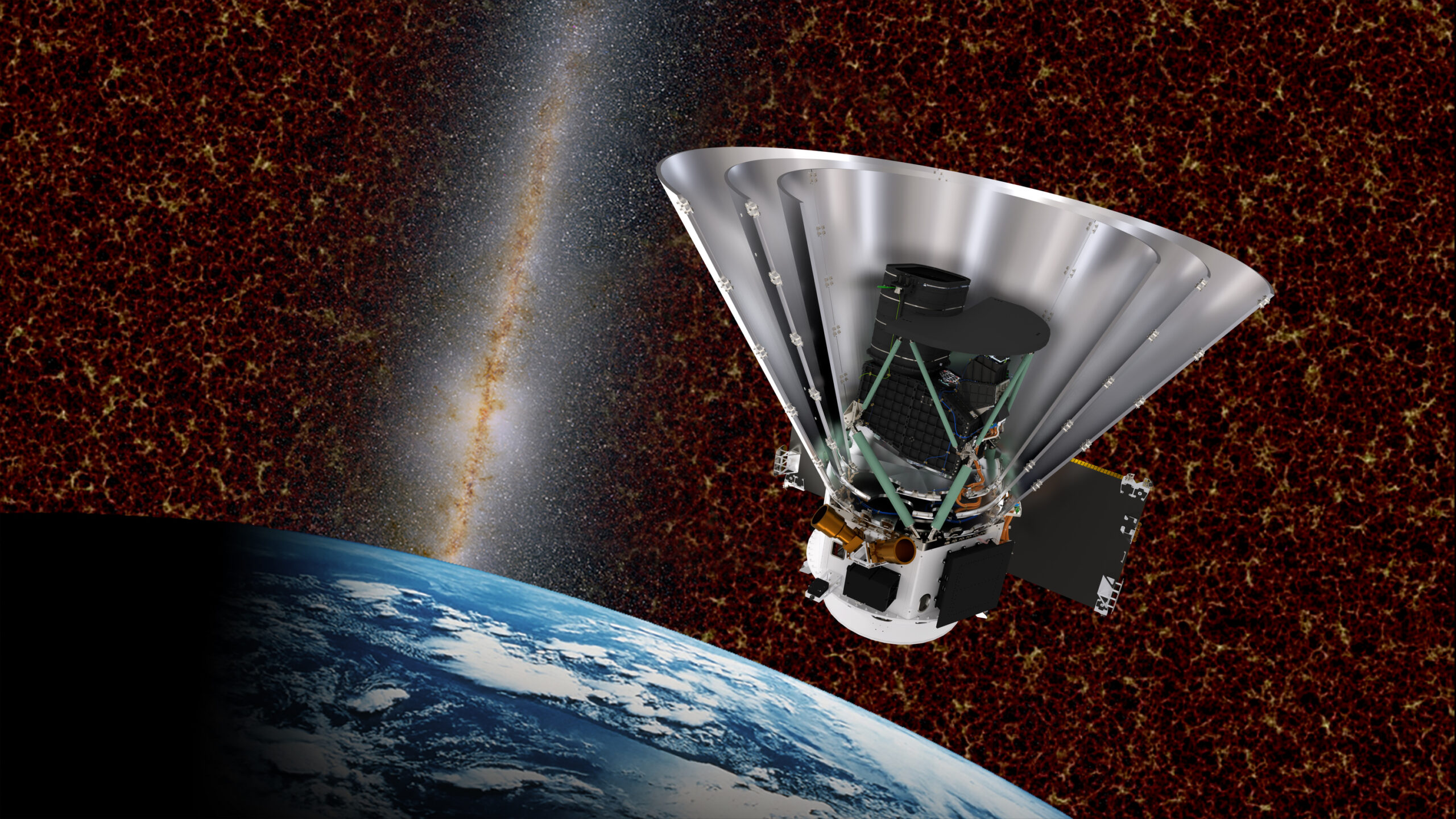
SPHEREx: Unveiling the Cosmos in 102 Infrared Colors

SPHEREx represents a significant milestone in astronomical exploration. Its ability to map the entire sky in 102 infrared colors, investigate cosmic inflation, and trace the origins of life-forming molecules makes it a truly revolutionary mission.

Introduction The cosmos is a vast, enigmatic expanse, filled with mysteries that have captivated humanity for centuries. Now, NASA is poised to launch a groundbreaking mission that promises to revolutionize our understanding of the universe. The Spectro-Photometer for the History of the Universe, Epoch of Reionization and Ices Explorer (SPHEREx) is set to embark on … Read more

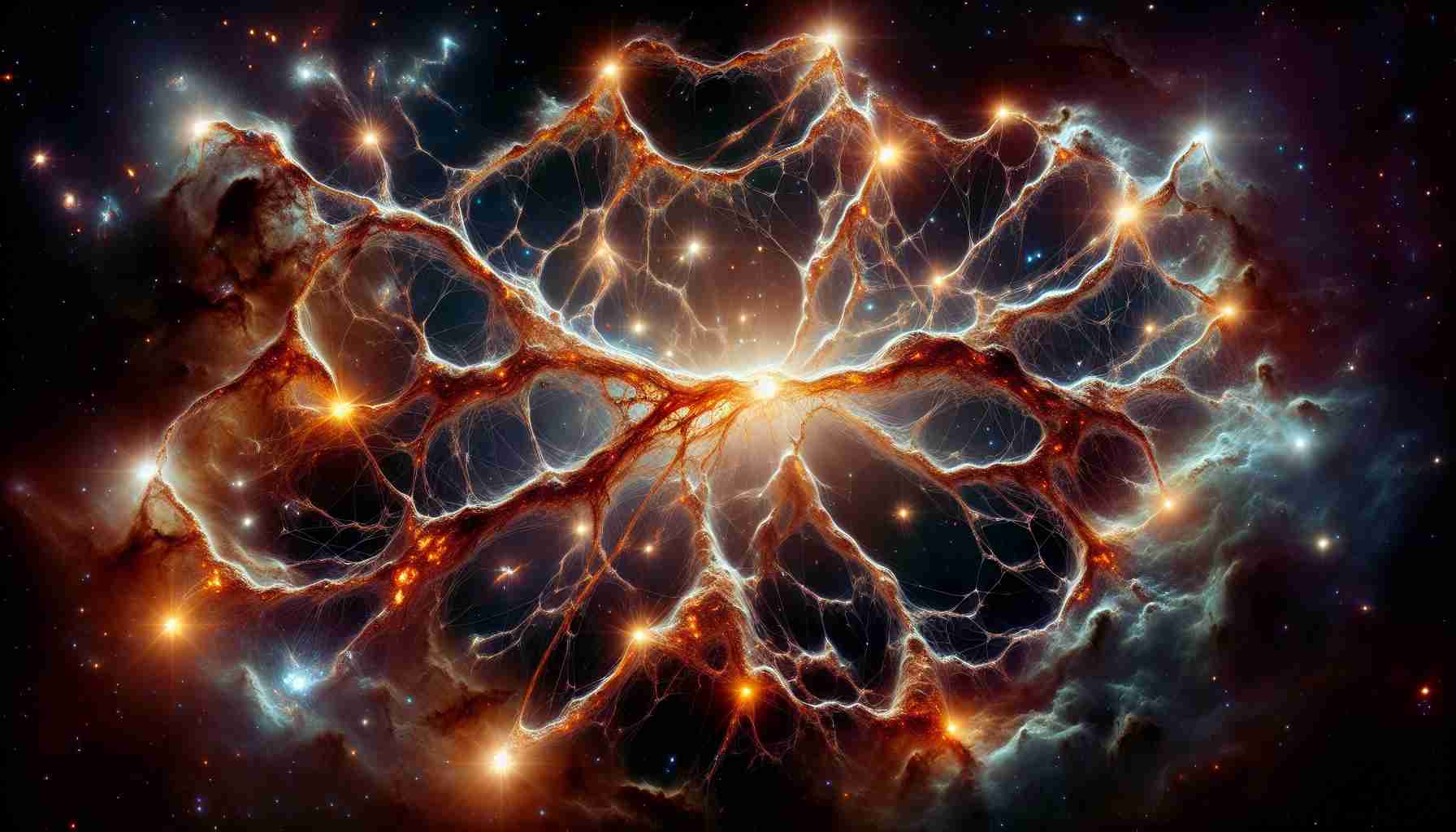
Astronomers Discover Quipu: The Largest Known Object in the Universe

Quipu is a newly discovered cosmic structure measuring 1.3 billion light-years, surpassing previous known sizes. The formation highlights transformative implications for our understanding of the universe’s structure.

Introduction In a groundbreaking discovery that has left the scientific community in awe, astronomers have identified the largest known structure in the universe—a colossal cosmic formation named Quipu. Spanning an astonishing 1.3 billion light-years, this superstructure is more than 13,000 times the length of the Milky Way and could fundamentally reshape our understanding of the universe’s large-scale architecture. Named … Read more

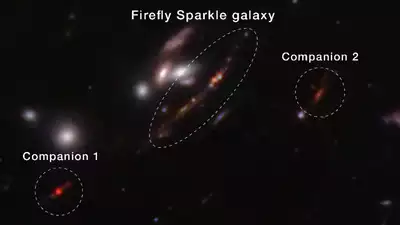
Discovering Firefly Sparkle Galaxy: A Peek into the Early Days of the Milky Way

the Firefly Sparkle Galaxy offers a remarkable glimpse into the early universe and sheds light on the origins of our own Milky Way. Thanks to the incredible capabilities of the James Webb Space Telescope

Introduction The vastness of the universe continues to surprise and intrigue us. With every new technological advancement, we uncover more about the origins of our own galaxy and others like it. One such incredible discovery is the Firefly Sparkle Galaxy, a distant galaxy observed by NASA’s James Webb Space Telescope (JWST). This tiny, ancient galaxy … Read more