Minimoons: Earth’s Tiny, Elusive Moons You’ve Never Heard Of

Earth may have at least 6 minimoons at any given time.

When you think of moons, the image that likely comes to mind is our one and only Moon. But did you know Earth often hosts a handful of tiny, temporary moons — known as minimoons — that quietly orbit our planet before continuing their journey around the sun? Recent research suggests that at any given … Read more
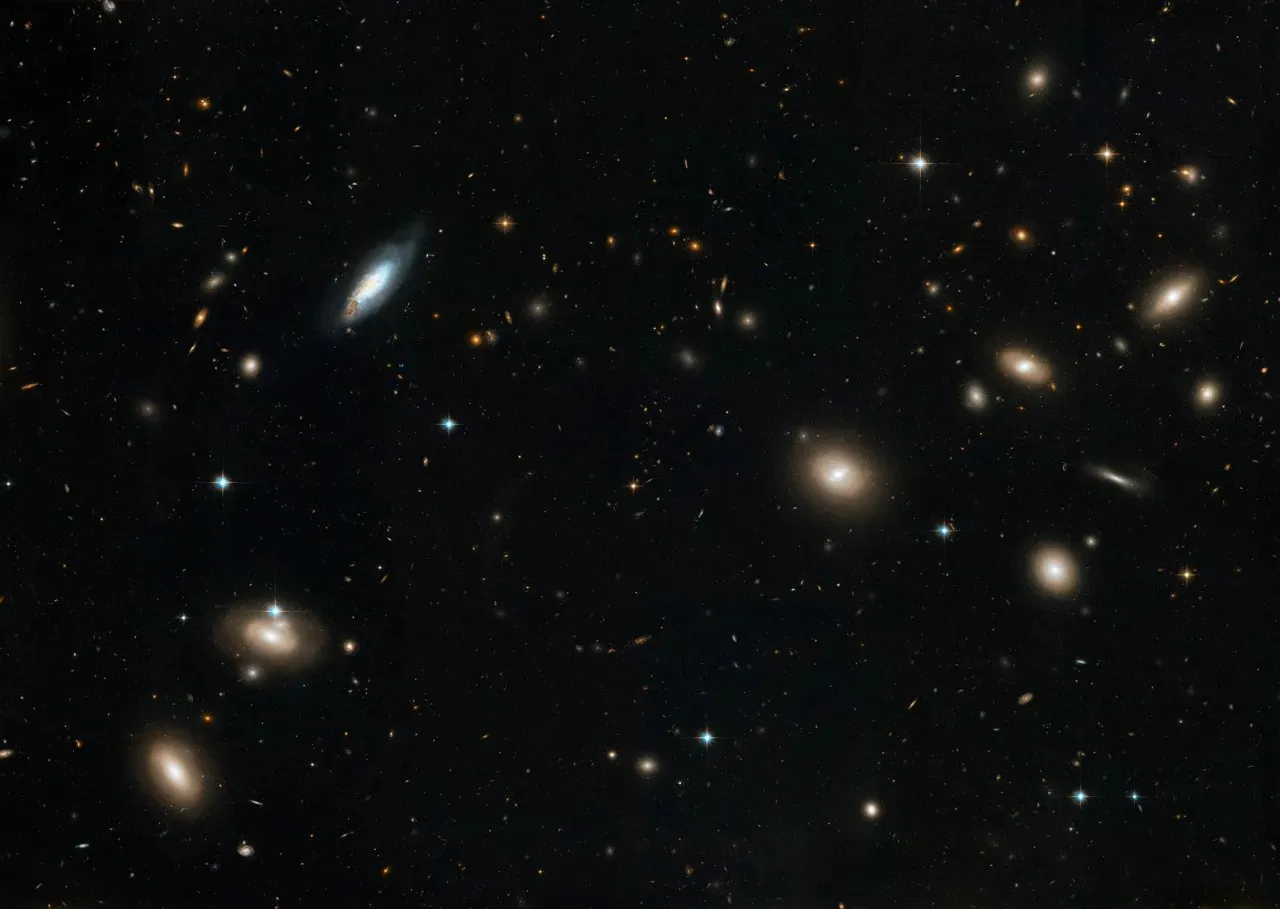
Cracking the Dark Matter Mystery: Are We Missing Something Big?

the dark matter mystery won’t come from theory alone. It might require a new kind of observational technology

Introduction: The Cosmic Puzzle We Still Can’t Solve The universe is full of unsolved riddles, but perhaps none is as persistent, frustrating, and fascinating as the dark matter mystery. For decades, scientists have known that galaxies spin too fast to be held together by visible matter alone. Something invisible is exerting massive gravitational influence, something … Read more

NGC 5530: Hubble Captures a Cosmic Illusion and a Supernova Surprise

Hubble Space Telescope image is the stunning NGC 5530 Spiral Galaxy. This galaxy is situated 40 million light-years away in the constellation Lupus, the Wolf, and classified as a ‘flocculent’ spiral

Introduction The Hubble Space Telescope, a tireless explorer of the cosmos, has once again provided us with a breathtaking image: NGC 5530, a spiral galaxy residing 40 million light-years away in the constellation Lupus. This isn’t just another pretty picture, however. NGC 5530 presents a captivating cosmic illusion alongside a remarkable tale of amateur astronomical … Read more

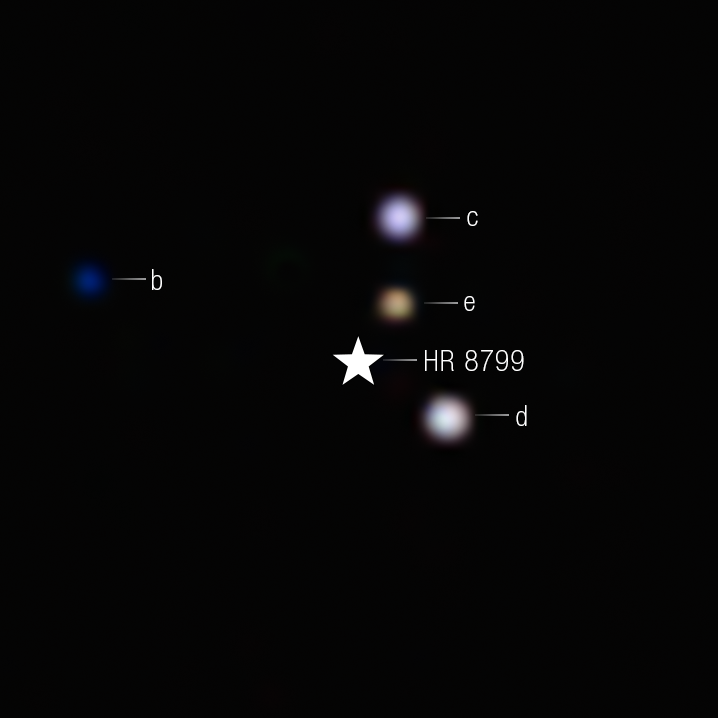
Carbon Dioxide in Exoplanets: NASA’s Webb Telescope Unveils Giant Worlds

The HR 8799 system, a youthful 30-million-year-old stellar nursery, is a goldmine for studying carbon dioxide in exoplanets.

Introduction Why HR 8799 Stands Out How Webb Captures the Evidence Carbon Dioxide in Exoplanets: Core Accretion vs. Disk Instability Carbon Dioxide in Exoplanets: A Peek at 51 Eridani Why It’s a Cosmic Clue Carbon Dioxide in Exoplanets: What’s Next for Webb Led by NASA with partners ESA and the Canadian Space Agency, Webb is … Read more

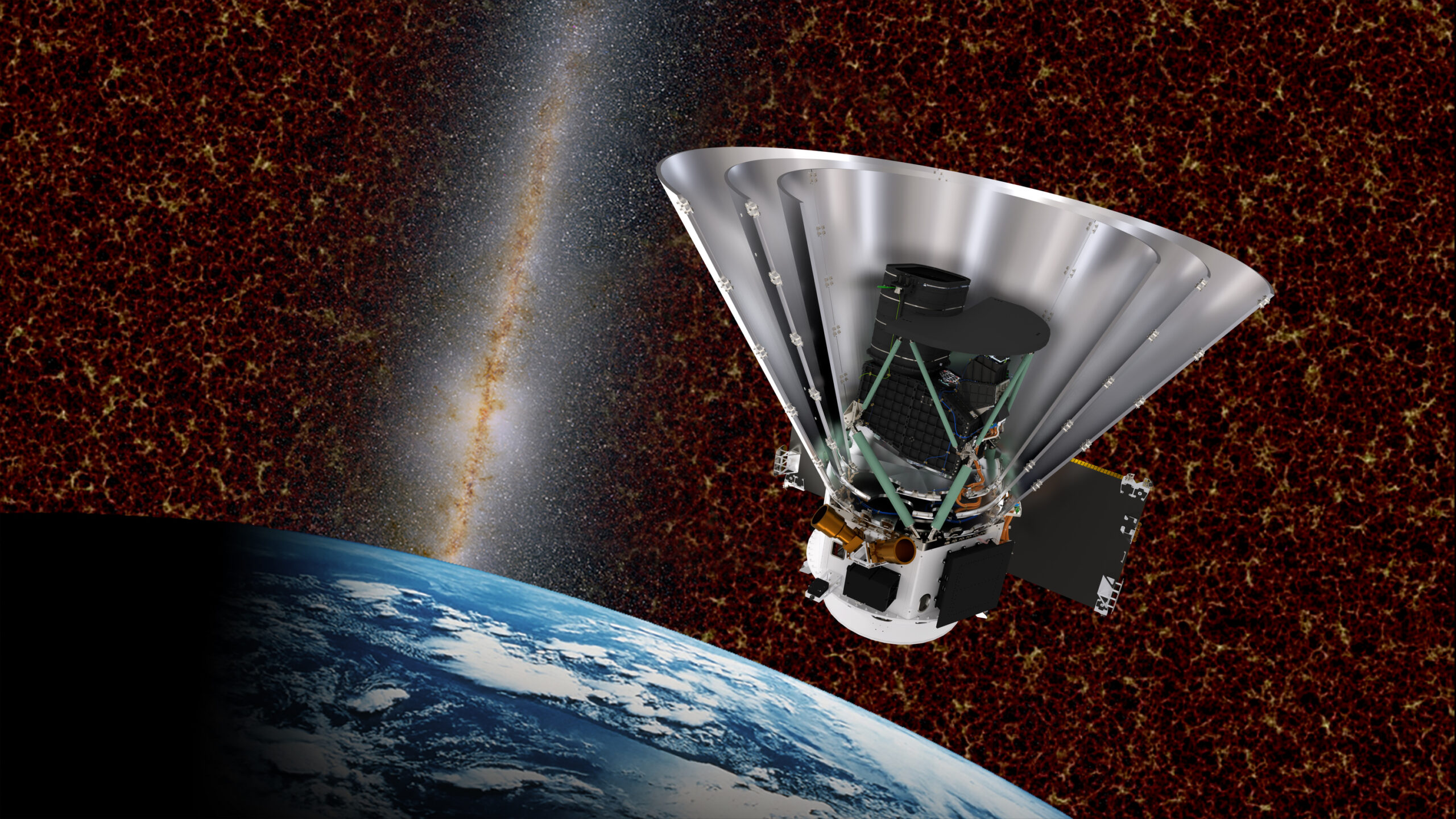
SPHEREx: Unveiling the Cosmos in 102 Infrared Colors

SPHEREx represents a significant milestone in astronomical exploration. Its ability to map the entire sky in 102 infrared colors, investigate cosmic inflation, and trace the origins of life-forming molecules makes it a truly revolutionary mission.

Introduction The cosmos is a vast, enigmatic expanse, filled with mysteries that have captivated humanity for centuries. Now, NASA is poised to launch a groundbreaking mission that promises to revolutionize our understanding of the universe. The Spectro-Photometer for the History of the Universe, Epoch of Reionization and Ices Explorer (SPHEREx) is set to embark on … Read more

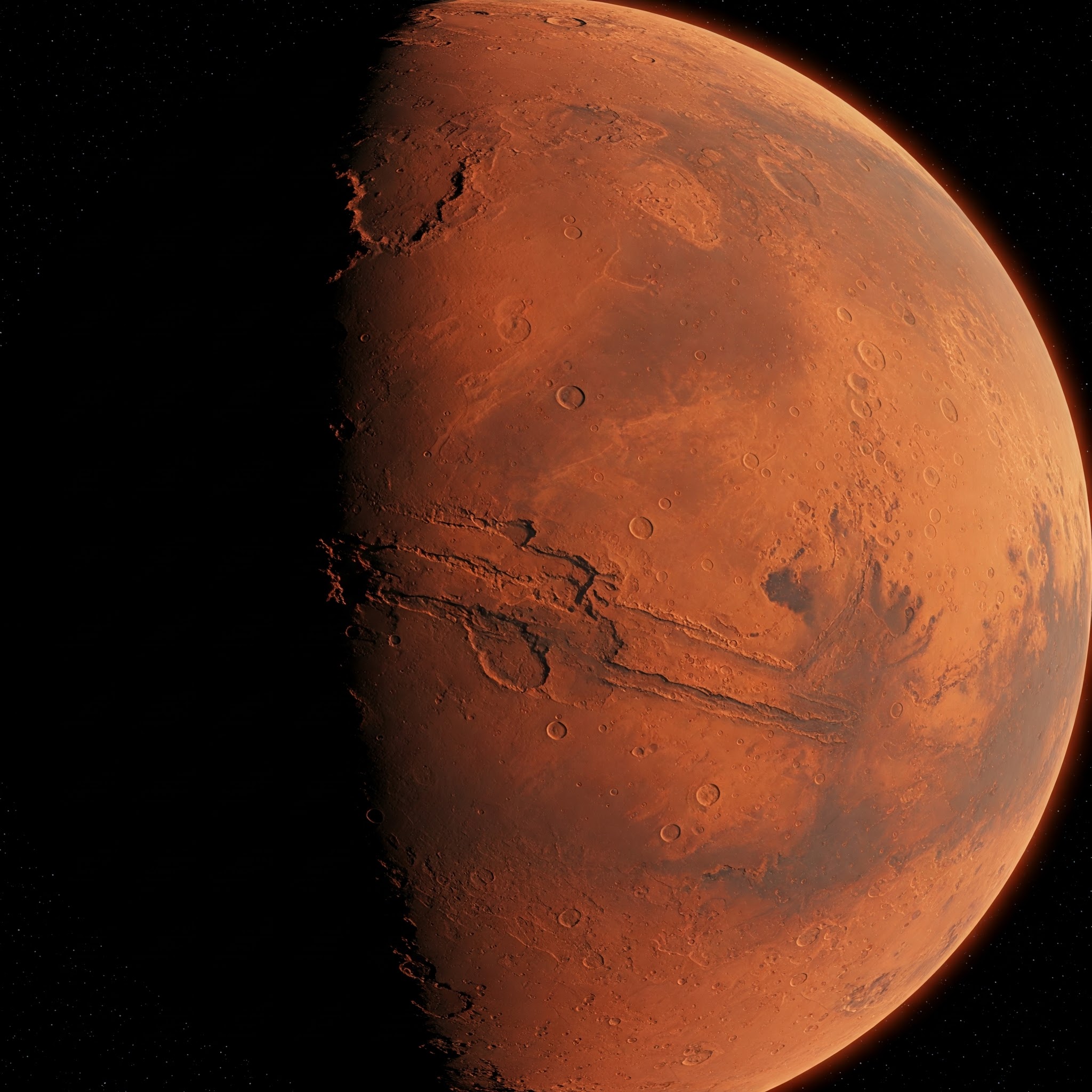
Mars Red Planet : Unveiling the Crimson Mystery

Further exploration of Mars Red Planet, is crucial to fully understand the planet's past and its potential for harboring life.

Introduction The Rust of Ages: A Familiar Explanation for Mars Red Planet A Breakthrough in Understanding Mars Red Planet A Clue from Mars Planet’s Watery Past Corroborating Evidence: A Multifaceted Picture of Mars Red Planet The identification of ferrihydrite is not an isolated finding. Data from other Mars, the Red Planet missions, including NASA’s MRO, … Read more