Asteroid 2024 YR4: A Deep Dive into the Newly Discovered Near-Earth Object

Asteroid 2024 YR4 was first observed on December 27, 2024, by the ATLAS Telescope in Chile. Since then, astronomers have been closely monitoring its trajectory to determine its potential risk to Earth.

Introduction The Discovery and Initial Assessment of Asteroid 2024 YR4 Evolving Risk Assessment: A Dynamic Situation The Science Behind Asteroid Tracking and Risk Assessment Tracking and predicting the paths of asteroids like 2024 YR4 is a complex undertaking that relies on a multi-pronged approach: Understanding the Fluctuations in Impact Probabilities The Potential Consequences of an … Read more
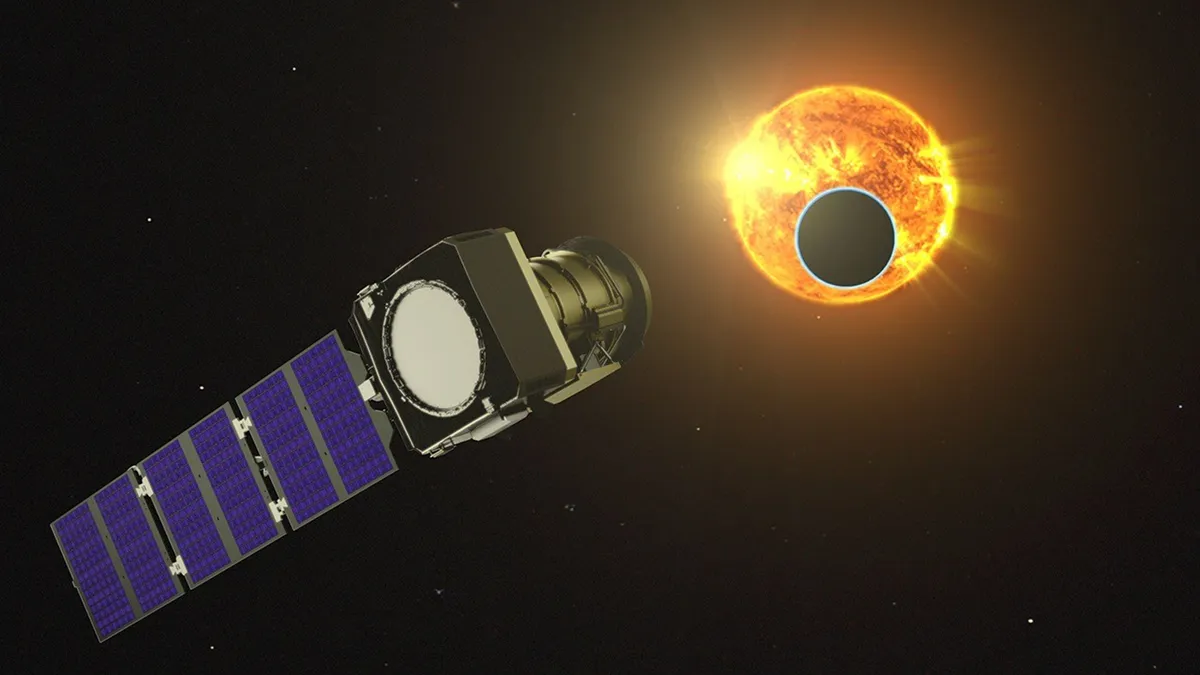
NASA’s Pandora Mission: Unlocking the Secrets of Distant Alien Worlds

NASA’s Pandora mission represents a major step forward in the study of exoplanet atmospheres.

Introduction The vast universe beyond our solar system is teeming with exoplanets, some of which might harbor the right conditions for life. The James Webb Space Telescope (JWST) has already revolutionized our understanding of space by capturing stunning images and invaluable infrared data. However, its availability is limited, and the demand for observation time is … Read more

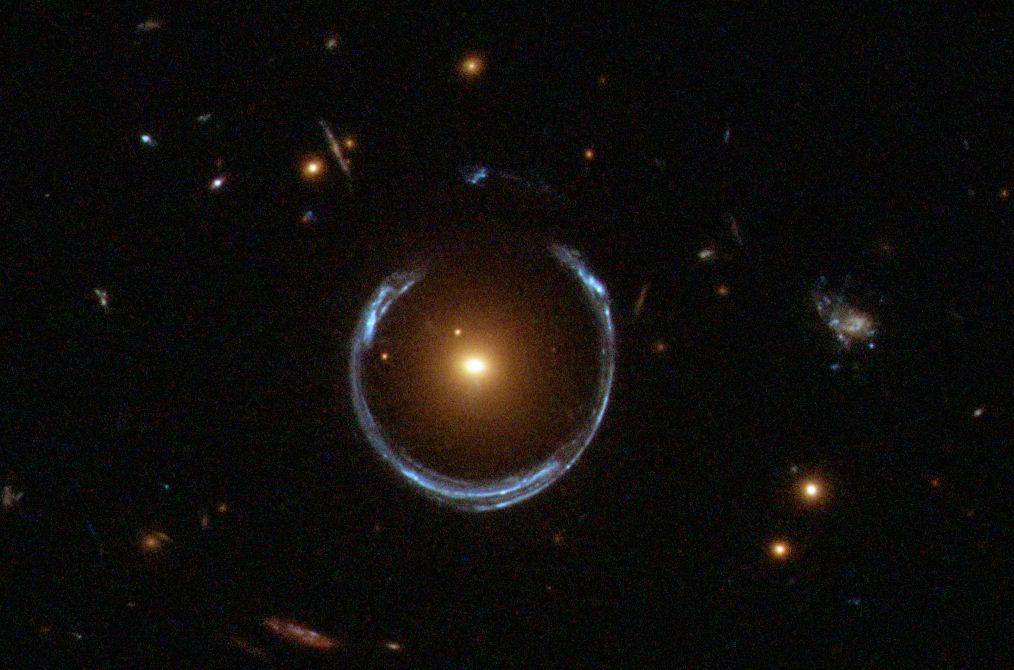
Einstein Ring: A Cosmic Phenomenon Unlocking the Mysteries of the Universe

The Einstein ring is a celestial marvel that provides profound insights into the structure and evolution of the universe.

Introduction The universe is full of extraordinary cosmic phenomena that continue to captivate scientists and astronomers. One such rare and fascinating phenomenon is the Einstein ring, a striking celestial structure formed due to the effects of gravitational lensing. The recent discovery of the ring around the galaxy NGC 6505 by the European Space Agency’s (ESA) … Read more

Astronomers Discover Quipu: The Largest Known Object in the Universe

Quipu is a newly discovered cosmic structure measuring 1.3 billion light-years, surpassing previous known sizes. The formation highlights transformative implications for our understanding of the universe’s structure.

Introduction In a groundbreaking discovery that has left the scientific community in awe, astronomers have identified the largest known structure in the universe—a colossal cosmic formation named Quipu. Spanning an astonishing 1.3 billion light-years, this superstructure is more than 13,000 times the length of the Milky Way and could fundamentally reshape our understanding of the universe’s large-scale architecture. Named … Read more

India’s Hab-1 Analog Space Mission: Pioneering the Future of Lunar and Mars Exploration

India has recently conducted its inaugural analog space mission, Hab-1, in the mountainous region of Ladakh, aims to simulate space conditions to prepare astronauts for future missions.

Introduction India has recently marked a significant milestone in its space exploration journey with the successful completion of its first analog space mission, known as Hab-1 (or Habitat-1). Conducted in the challenging environment of Ladakh, this mission is designed to simulate the extreme conditions of space to better prepare astronauts for future lunar and Martian … Read more

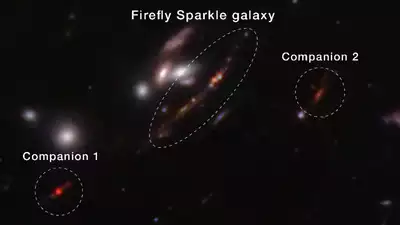
Discovering Firefly Sparkle Galaxy: A Peek into the Early Days of the Milky Way

the Firefly Sparkle Galaxy offers a remarkable glimpse into the early universe and sheds light on the origins of our own Milky Way. Thanks to the incredible capabilities of the James Webb Space Telescope

Introduction The vastness of the universe continues to surprise and intrigue us. With every new technological advancement, we uncover more about the origins of our own galaxy and others like it. One such incredible discovery is the Firefly Sparkle Galaxy, a distant galaxy observed by NASA’s James Webb Space Telescope (JWST). This tiny, ancient galaxy … Read more